

RBI Governor Sanjay Malhotra at the IMF Annual Meetings: India’s Resilient Position in an Uncertain World
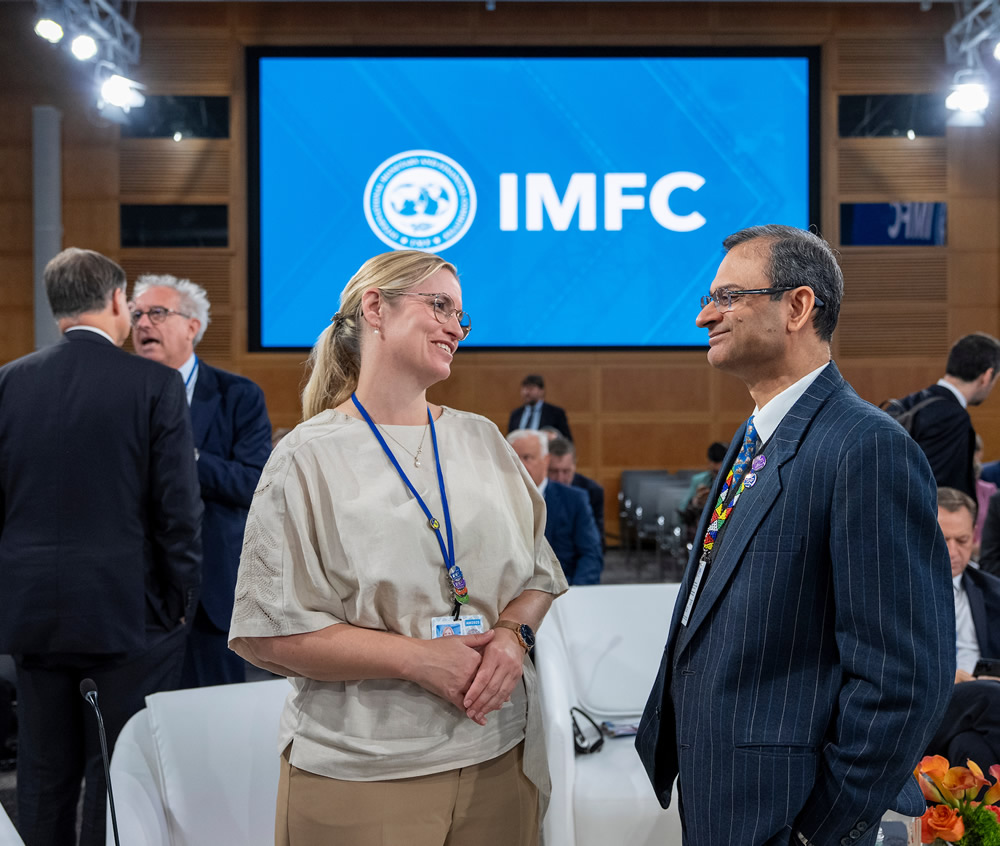
When central bankers and finance ministers gather in Washington, D.C., each October for the Annual Meetings of the International Monetary Fund (IMF) and the World Bank, the world pays close attention. These meetings involve more than just charts, forecasts, and press releases; they focus on how leaders communicate their nations’ positions within a changing global landscape.
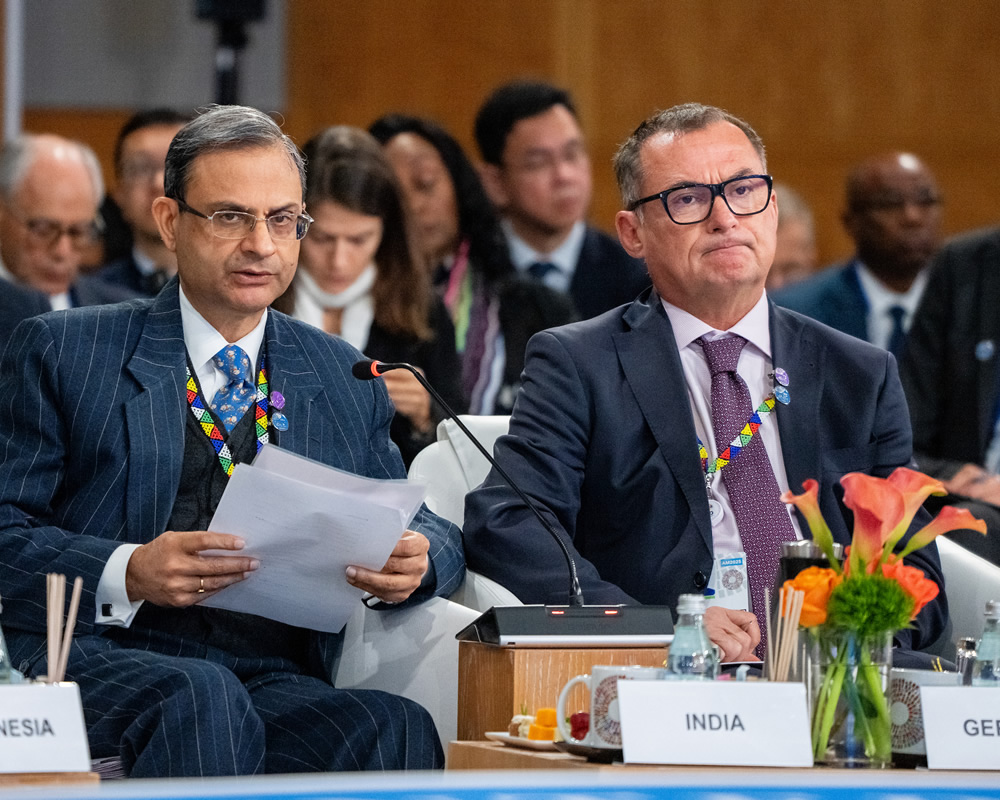
On October 15, 2025, India’s Reserve Bank Governor, Sanjay Malhotra, took the stage at the IMF’s flagship “Governor Talks” session. This format is designed to spotlight global policymakers, encouraging open exchanges with IMF economists, investors, and the media. Malhotra’s discussion, moderated by Krishna Srinivasan, the Director of the IMF’s Asia and Pacific Department, was both a show of confidence and a candid assessment of the risks facing emerging markets.


Framing India’s Story
Governor Malhotra began by placing India within the current macroeconomic climate. His central message was clear: while global uncertainties are increasing, India remains resilient due to its strong domestic fundamentals.
“India is primarily a domestically driven economy,” he stated in response to inquiries about trade tensions and the new wave of U.S. tariffs on imports. “We are affected, but it’s not a major concern.”
It was not mere bravado but a strategic approach. By highlighting the strength of internal demand, Malhotra aimed to reassure both foreign investors and domestic stakeholders that India’s growth story remains robust, even in the face of intensifying global challenges.
Trade Tensions and Global Risks
This year’s IMF meetings have been overshadowed by significant policy changes, including tariffs in advanced economies, increasing debt risks, and a persistent fragility in financial markets. Malhotra acknowledged these challenges, noting that emerging economies like India must continuously “factor in unprecedented uncertainties.”
However, he emphasized stability rather than vulnerability. India, he argued, is in a stronger position than many other countries due to strong growth fundamentals and diversified reserves.
This calm and measured perspective stood out in contrast to the concerns raised by several other governors, particularly those from nations experiencing currency instability or debt distress.
The Rupee Question
The topic of the Indian rupee inevitably arose. With exchange rates being closely monitored worldwide, Governor Malhotra made it clear:
“The Reserve Bank of India does not target a specific level for the rupee. Our goal is to reduce excessive volatility and ensure an orderly movement of the currency.”
This statement will be carefully analyzed in global markets. It reinforces the RBI’s long-standing principle of “managed flexibility”—intervening when there are disruptive fluctuations, but avoiding a strict defense of any particular rate. For international investors, this signals policy pragmatism rather than dogmatism.
Gold, Reserves, and Financial Stability
A key point of discussion was the role of gold in central bank reserves, particularly in light of the recent increase in gold accumulation by various economies. Malhotra mentioned that India’s reserves remain well-diversified. While the rise in gold prices has contributed to the reserves, it is not considered a systemic concern.
This response highlights the Reserve Bank of India’s (RBI) cautious yet steady approach to reserve management. By avoiding overreliance on any single asset, India aims to project stability and resilience in a world where financial markets are becoming increasingly volatile.
Why This Matters
Governor Malhotra’s remarks may not grab headlines due to dramatic revelations, but that is precisely the point. For a central banker, reassurance is often the most potent message. At a time when many emerging markets are vulnerable to global shocks, India’s representative chose to emphasize continuity, resilience, and moderation.
This has three key implications:
- For global investors, India remains a relatively safe emerging market option, characterized by predictable policies and strong domestic demand.
- For policymakers, Malhotra’s comments strengthen India’s reputation as a country willing to manage risks without panicking over short-term shocks.
- For Indian citizens, the message is one of stability: even in a turbulent global economy, the Reserve Bank is committed to safeguarding growth and minimizing volatility.
India on the Global Stage
The significance of the “Governor Talks” platform should not be underestimated. This is where the world’s most influential policymakers explain their choices, defend their positions, and highlight their priorities. By presenting India’s narrative with calm confidence, Malhotra ensured that India’s voice was recognized as a force for stability in a time of global uncertainty.
This also reinforced India’s growing prominence in the international economic landscape. Over the past decade, India has transformed from being viewed as a fragile emerging economy to being recognized as one of the anchors of global growth. Malhotra’s performance in Washington continued this positive narrative.
Looking Ahead
Concrete actions at home must match the commitments made at global meetings. In the coming months, markets will closely monitor:
- The Reserve Bank’s upcoming decisions from the Monetary Policy Committee will be particularly important in response to inflationary pressures and global interest rate trends.
- India’s capability to maintain its growth momentum amidst ongoing global trade tensions.
- The Reserve Bank of India’s management of the rupee is crucial, especially if global capital flows continue to be unstable.
As global financial conditions tighten and geopolitical risks remain elevated, India’s policymakers will need to balance international pressures with domestic priorities carefully.
Conclusion
Governor Sanjay Malhotra’s appearance at the IMF’s “Governor Talks” was not marked by dramatic announcements or significant changes. Instead, it was a carefully crafted display of stability, prudence, and quiet confidence.
In Washington, he portrayed India not as a victim of global volatility, but as a nation charting its own course, grounded in domestic strength and consistent policy management.
At a time when global uncertainties dominate the headlines, this may be the most reassuring message India can convey.


 Surender Hastir