TIME100 2026: Redefining Influence and Power

TIME100 2026: The New Anatomy of Influence

TIME has revealed the 2026 TIME100, its annual list of the 100 most influential people in the world.

Influence used to be easy to spot. It wore a title, held office, commanded institutions.

Not anymore.

The 2026 TIME100 list doesn’t just catalog power—it dismantles it, reshapes it, and redistributes it across a world where attention is currency, narrative is leverage, and relevance is constantly renegotiated.


Cover of Time magazine featuring Zoe Saldana, who is recognized as one of the world's most influential people. She is posed with a serious expression, wearing a white shirt and accessorized with bracelets, against a dark background.

Power Is No Longer a Position

The presence of figures like Xi Jinping and Donald Trump might suggest continuity. But look closer—and the ground is shifting.

They now share space with:

  • MrBeast (American YouTuber), who commands more daily attention than most heads of state
  • Sundar Pichai (CEO of Google), shaping the architecture of the AI-era information
  • Dolores Huerta (American labor leader and civil rights activist), whose decades-long activism still reverberates at 96

This is not a list of hierarchy. It’s a map of impact—fragmented, fluid, and fiercely contested.


TIME magazine cover featuring Luke Combs, highlighting him as one of the world's most influential people, with a portrait style photo of him wearing a cap and a brown shirt.

The Collapse of Silos

Politics, culture, technology, activism—these used to be separate arenas.

TIME100 2026 erases those boundaries.

An AI leader like Dario Amodei now influences geopolitics.
A creator like MrBeast shapes philanthropy and public behavior.
An artist like Zoe Saldaña becomes a global narrative force.

Influence is no longer vertical. It’s networked.

And in that network, unexpected nodes matter most.


Validation Is the New Power

TIME’s signature “pairings” reveal something deeper than admiration—they expose how influence is legitimized.

  • Taylor Swift on Dakota Johnson
  • Oprah Winfrey on Ralph Lauren
  • Martin Scorsese on Pope Leo XIV

Influence today is not self-declared. It is conferred by peers, by audiences, by ecosystems of attention.

Recognition is power. But who does the recognizing may matter even more.


TIME magazine cover featuring Nikki Glaser, dressed in a plaid blazer and tie with wide-leg trousers, highlighting her as one of the world's most influential people.

Fame Is Not Influence—But It Helps

Consider the cultural layer of the list:

Ranbir Kapoor, Victoria Beckham, Kate Hudson.

They are not policymakers. Yet they shape aspiration, identity, and global taste.

In 2026, soft power doesn’t whisper—it scales.

And increasingly, it travels faster than policy ever can.


The Extremes Tell the Story

At 20, Alysa Liu (American figure skater) represents acceleration—how quickly influence can be acquired now.

At 96, Dolores Huerta (American labor leader and civil rights activist) embodies endurance—how long it endures.

Between them lies the real story: influence is no longer linear. It is volatile, compressible, and, at times, fleeting.


The Quiet Rise of India

India doesn’t dominate the list—but it doesn’t need to.

The inclusion of Ranbir Kapoor and Vikas Khanna signals something subtler: cultural influence that travels without announcement.

No slogans. No declarations.

Just presence—expanding, embedding, enduring.


Influence as a Live Event

The TIME100 is no longer a static list—it’s an ecosystem.

With the Summit and Gala in New York, hosted by Nikki Glaser and featuring Luke Combs and Coco Jones, influence becomes performative, collaborative, and visible in real time.

Power doesn’t just exist. It convenes.


The Only Question That Matters

TIME poses it quietly—but it lingers:

Who here will still matter in 50 years?

History suggests most names will fade. A few will endure. And some—unexpectedly—will redefine the future entirely.

That uncertainty is the point.

Because in 2026, influence isn’t a status.

It’s a moving target.


“In 2026, influence doesn’t belong to institutions—it belongs to those who can command attention, shape narratives, and survive relevance.”


— This article is also available on CitiTimes, a website managed and edited by the author.
IEA-IMF-World Bank Pact: A Response to Global Crises

A World on Edge, Institutions in Sync: Why the IEA–IMF–World Bank Pact Matters Now

Map showing the Strait of Hormuz, surrounding regions including Iran, Oman, and the United Arab Emirates, with shipping lanes and notable geographic features.
Aerial view of two large cargo ships navigating through blue waters near a coastline.

Washington, DC | April 2, 2026

At moments when global systems begin to fracture, the true test of international governance is not rhetoric—but coordination. The joint decision by the International Energy Agency, International Monetary Fund, and World Bank Group to form a unified response group to the Middle East crisis is precisely such a test—and, potentially, a turning point.

This is not merely another multilateral statement. It is a recognition that the energy shock triggered by war is no longer sectoral—it is systemic, bleeding into inflation, food security, trade flows, and financial stability across continents.


Bar chart showing LNG flows through the Strait of Hormuz to selected countries in 2025. The left axis indicates demand in bcm, while the right axis shows the share of total gas demand. Countries include China, India, Chinese Taipei, Pakistan, Korea, Bangladesh, Italy, Japan, and Singapore.
Bar chart illustrating the number of ships passing through the Strait of Hormuz in March, highlighting a significant decline in tanker traffic after February 28.
Graph showing the surge in oil and gas prices, with Brent and WTI oil prices in blue, and LNG, Dutch TTF, and Henry Hub gas prices in red and blue, highlighting the increase amid conflict.

The Anatomy of a Modern Crisis

What distinguishes this crisis is not just its scale, but its interconnectedness.

The disruption of oil and gas supplies—already among the most severe in history—has cascaded into:

  • Fertilizer shortages threaten agricultural output
  • Commodity bottlenecks, from helium to aluminum
  • Flight disruptions, unsettling global tourism, and logistics
  • Currency instability, particularly in emerging markets

This is the anatomy of a 21st-century shock: one where energy markets ignite inflation, inflation constrains monetary policy, and policy tightening suppresses growth—creating a feedback loop that is difficult to arrest.

And as always, the burden is unevenly distributed. Energy-importing, low-income economies—least responsible, least resilient—are the most exposed.


From Fragmentation to Fusion

Historically, crises of this nature have revealed the limits of siloed thinking. Energy agencies track supply. Financial institutions manage liquidity. Development banks support recovery. But rarely have these domains moved in lockstep.

This time, they must.

The coordination group announced by the three institutions signals an important evolution: a shift from parallel play to integrated strategy. By pooling data, aligning analysis, and synchronizing responses, the group aims to do what fragmented interventions cannot—anticipate, not just react.

This includes:

  • Real-time mapping of energy flows and price volatility
  • Monitoring inflation and balance-of-payments stress
  • Identifying policy and financing gaps before they widen into crises

In essence, the effort attempts to build a shared situational awareness—a prerequisite for any meaningful global response.


The Politics of Support—and Its Limits

Yet coordination, however necessary, is not sufficient.

The real question is whether this alliance can move beyond diagnosis to delivery at scale.

For vulnerable economies, the needs are immediate and unforgiving:

  • Liquidity to stabilize currencies
  • Subsidy buffers to contain fuel and food inflation
  • Investment in energy diversification
  • Protection for the most economically fragile populations

The toolkit exists—concessional financing, policy advisory services, and risk mitigation instruments—but its effectiveness will depend on speed, flexibility, and political will.

There is also an uncomfortable truth: multilateral responses often arrive just as national responses turn inward. Export restrictions, protectionist impulses, and fiscal tightening could undermine the very coordination this initiative seeks to build.


Map highlighting the Strait of Hormuz in the Persian Gulf, with surrounding countries labeled, including Iran, Oman, and the UAE.
Three large cargo ships navigating through calm waters, with mountains in the background under a clear blue sky.

Energy Security Is Economic Security

What this moment underscores—perhaps more starkly than any in recent memory—is that energy security is inseparable from economic security.

A disruption in fuel supply is no longer just an industrial concern; it is:

  • A food crisis trigger
  • A currency destabilizer
  • A growth suppressor
  • A political risk multiplier

For countries already navigating debt vulnerabilities and limited fiscal space, the margin for error is vanishingly small.

The IEA–IMF–World Bank collaboration, therefore, is not just about crisis containment. It is about redefining resilience in an era where shocks are global, rapid, and compounding.


A Quiet but Defining Shift

There is something understated—almost quiet—about this announcement. No grand pledges. No headline-grabbing figures. Just a framework for coordination.

But beneath that restraint lies something more significant: a recognition that the old architecture of global response is no longer adequate.

If this initiative succeeds, it could mark the beginning of a more integrated model of global governance, where energy, finance, and development are treated not as separate domains, but as interlocking systems.

If it fails, the consequences will not be institutional—they will be human, felt in rising prices, shrinking incomes, and widening inequalities.


Two cargo ships navigating the ocean at sunrise, with waves and a clear sky.
Two cargo ships navigating through the ocean with containers on board, one ship in the foreground and another in the background, while an airplane flies above them.

The Editorial Take

The world is not short of institutions. It is short of synchronization.

This joint effort is, at its core, an attempt to correct that deficit—to replace fragmentation with coherence at a time when coherence is desperately needed.

Whether it delivers will depend on execution. But one thing is already clear: in a world defined by cascading crises, coordination is no longer diplomacy—it is survival.


“In today’s global economy, energy shocks do not stay in pipelines—they travel through prices, policies, and people’s lives.”


— This article is also available on CitiTimes, a website managed and edited by the author.
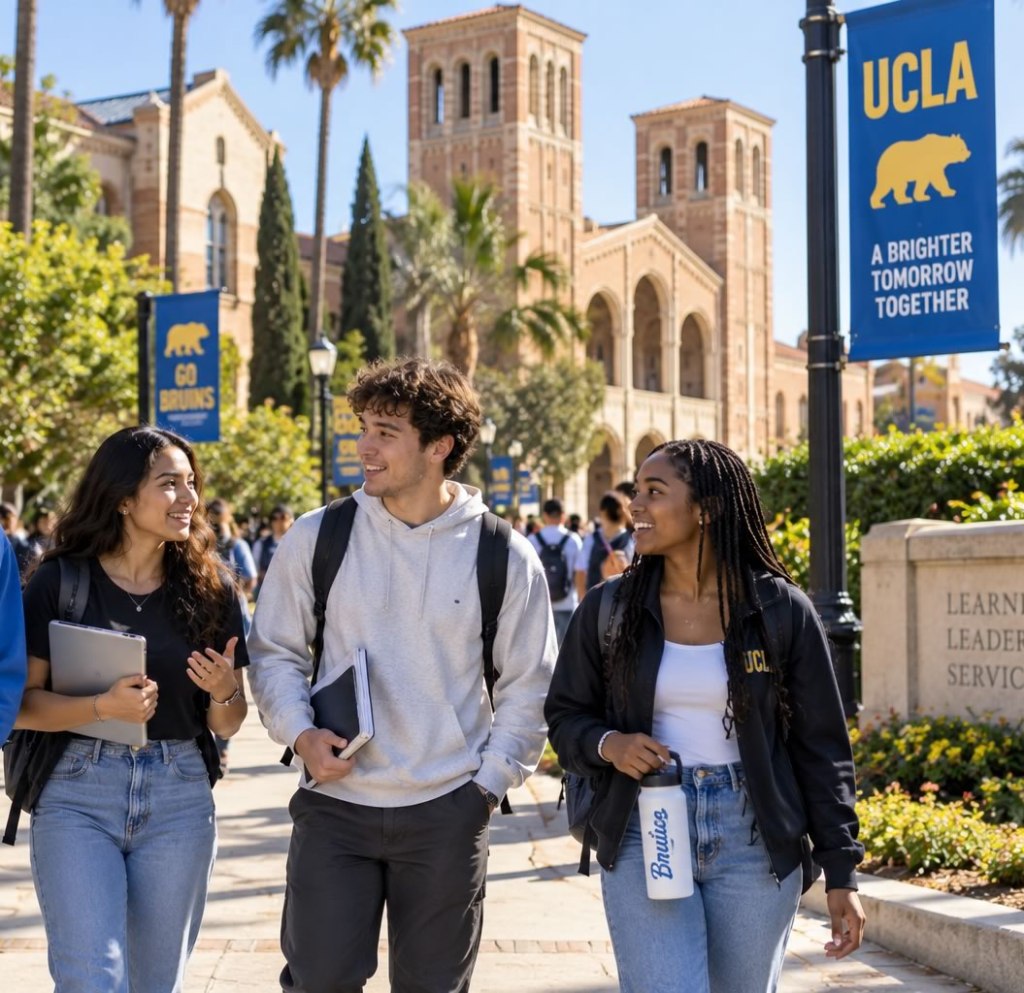
Understanding Global University Rankings: What You Need to Know

Explained: How Global University Rankings Really Work — And Why They Often Disagree

Every year, universities celebrate dramatic climbs, defend unexpected drops, and highlight selective victories in global rankings. Students treat them as decision guides, governments cite them as proof of national progress, and institutions reshape policies around them.

But behind the headlines lies an important truth: not all university rankings measure the same thing. Each system reflects a different philosophy about what makes a university “good.”

Here’s a clear breakdown of how the world’s most influential rankings actually work — and why the same university can rank very differently across them.


QS World University Rankings: Reputation Meets Employability

The QS World University Rankings aim to present a balanced global snapshot of universities, blending perception with measurable performance.

At the heart of QS is reputation. Nearly half the score comes from surveys of academics and employers worldwide, who nominate institutions they believe produce strong research and job-ready graduates. Research influence, measured through citations per faculty member, forms another major pillar.

QS also places notable emphasis on internationalization — counting foreign faculty, international students, and cross-border research partnerships — reflecting the idea that global engagement signals institutional strength.

In recent years, QS added sustainability metrics tied to environmental and social impact, making it the first major ranking to formally include ESG considerations.

What QS rewards:
Global prestige, employability, research visibility, and international appeal.

Critics say:
Heavy reliance on perception surveys can reinforce historical reputations.


Times Higher Education (THE) World University Rankings: The Data-Heavy Model

If QS leans toward reputation and global visibility, the Times Higher Education (THE) rankings position themselves as the most analytically comprehensive system.

THE evaluates universities across five broad missions: teaching, research environment, research quality, international outlook, and industry engagement. Using 18 indicators, it combines reputation surveys with large datasets covering citations, doctoral output, institutional income, and patents.

A major methodological shift in recent years expanded measures of research quality to include not just citation volume but also research excellence and influence.

The result is a ranking that tries to capture how universities function as complete academic ecosystems.

What “THE” rewards:
Research depth, teaching infrastructure, and knowledge transfer to industry.

Critics say:
The methodology is complex and favors research-intensive institutions with strong funding.


THE World Reputation Rankings: A Prestige Scorecard

Separate from its main rankings, THE also publishes the World Reputation Rankings — a list based entirely on academic opinion.

Here, no citations, finances, or student ratios matter. Scholars worldwide simply nominate institutions they believe excel in teaching and research. A revamped methodology now includes comparative rankings and measures of voter diversity to broaden participation.

The result resembles an academic brand index more than a performance assessment.

What it measures:
Global academic prestige and recognition.

What it doesn’t:
Actual teaching quality, outcomes, or research productivity.

This explains why elite legacy universities often dominate regardless of yearly performance changes.


U.S. News Best Colleges: The Student-Outcomes Approach

Unlike global rankings, U.S. News & World Report’s Best Colleges rankings focus almost entirely on undergraduate education in the United States.

Over half the score is tied to student outcomes — graduation rates, retention, earnings after graduation, and student debt levels. Peer reputation surveys still matter, but far less than measurable results.

Recent reforms deliberately shifted the emphasis away from inputs such as class size or alumni donations toward whether students actually succeed.

What it rewards:
Student success, affordability outcomes, and institutional effectiveness.

Why it differs globally:
It evaluates colleges as educational experiences, not research powerhouses.


U.S. News Best Global Universities: Research Above All

U.S. News also produces a separate global ranking — but this one looks completely different from its domestic list.

The Best Global Universities rankings focus almost exclusively on research performance. Using publication and citation data from Clarivate’s Web of Science, alongside academic reputation surveys, the system measures the extent to which influential research universities produce research and how widely it is cited.

Teaching quality, employability, and campus experience are largely absent.

What it rewards:
Scientific output, highly cited research, and international collaboration.

Best used for:
Graduate study and academic research comparisons.


Why Rankings Disagree

A university’s position changes dramatically depending on what is being measured.

  • A globally renowned university may excel in QS rankings due to its reputation.
  • A research-intensive institution may rise in THE or U.S. News Global.
  • A teaching-focused college may perform best in U.S. News & World Report’s Best Colleges rankings.
  • Historic prestige dominates reputation-only rankings.

In short, rankings answer different questions:

  • Who is most famous? — Reputation rankings
  • Who produces the best research? — U.S. News Global
  • Who performs best overall? — THE World Rankings
  • Who prepares graduates for careers? — QS
  • Where do undergraduates succeed most? — U.S. News Best Colleges

The Bigger Picture

University rankings are often treated as definitive league tables, but experts increasingly argue they are better understood as analytical lenses rather than verdicts.

Each methodology highlights one version of excellence — research power, teaching environment, employability, prestige, or student success. No single ranking captures them all.

For students, policymakers, and universities alike, the real insight lies not in a single rank number, but in understanding what that number actually measures.


UK Dominates QS World University Rankings 2026

QS World University Rankings: Europe 2026

London, January 29, 2026

Key Highlights

  • University of Oxford rises to #1, reclaiming the top spot for the first time since 2024.
  • ETH Zurich slips to #2, maintaining its position as continental Europe’s strongest performer.
  • University College London (UCL) and Imperial College London tie at #3, underscoring London’s dominance in higher education.
  • Over 950 universities are ranked, with 290 institutions debuting in this edition, reflecting the growing diversity of European higher education.
  • The UK leads the table, with seven universities in the top 10, while Switzerland, France, and other nations also secure strong representation.

Map of Europe featuring the title 'World University Rankings: Europe 2026' and 'University of Oxford' in bold lettering.

Top 20 Universities in Europe (2026)

RankUniversityCountry
1University of OxfordUnited Kingdom
2ETH ZurichSwitzerland
=3University College London (UCL)United Kingdom
=3Imperial College LondonUnited Kingdom
5University of CambridgeUnited Kingdom
6University of EdinburghUnited Kingdom
7King’s College LondonUnited Kingdom
8Université PSLFrance
9University of ManchesterUnited Kingdom
10EPFL – École Polytechnique Fédérale de LausanneSwitzerland
11LMU MunichGermany
12University of CopenhagenDenmark
13University of AmsterdamNetherlands
14KU LeuvenBelgium
15University of HelsinkiFinland
16Stockholm UniversitySweden
17University of BarcelonaSpain
18Trinity College DublinIreland
19University of OsloNorway
20University of GenevaSwitzerland

Regional Insights

  • UK universities dominate, with Oxford, Cambridge, UCL, Imperial, Edinburgh, King’s College London, and Manchester all in the top 10.
  • Switzerland remains a powerhouse, with ETH Zurich and EPFL both ranked in the top 10.
  • France’s Université PSL continues to rise, holding strong at #8.
  • Germany’s LMU Munich leads among continental EU universities outside Switzerland and France.
  • Nordic universities (Copenhagen, Helsinki, Stockholm, Oslo) showcase the strength of Europe’s northern academic hubs.

Why It Matters

The QS Europe Rankings provide students, policymakers, and institutions with a benchmark for academic reputation, employer recognition, research impact, and international collaboration. With nearly 300 new entrants, the 2026 edition reflects the expanding competitiveness of European higher education.


In summary, Oxford’s return to the top signals the UK’s continued dominance, while ETH Zurich, PSL, LMU Munich, and Nordic universities highlight Europe’s diverse academic excellence. For students worldwide, the 2026 QS Europe Rankings serve as a roadmap to the continent’s most prestigious institutions.


India Enforces Diamond Clarity: Only Natural Stones Qualify

India’s New Diamond Rule: Why Only a Natural Diamond Can Be Called a “Diamond”

Close-up portrait of a woman wearing a white blazer and elegant diamond necklace, with a soft blurred background.

For years, Indian consumers shopping for diamond jewellery—especially online—have faced a confusing maze of terms. Words like lab-grown, cultured, real, or eco-friendly have often blurred the line between natural diamonds and their laboratory-created alternatives. Without a single, enforceable standard, many buyers were left uncertain about what they were actually purchasing.

That ambiguity is now set to end.


A close-up portrait of a model wearing an elegant diamond choker necklace, posed with her head held high. The model has long dark hair and is wearing a black outfit, with soft makeup highlighting her features.

A Clear Standard from BIS

In a major step toward transparency, the Bureau of Indian Standards has adopted IS 19469:2025, a modified version of ISO 18323:2015 – Jewellery: Consumer Confidence in the Diamond Industry.

The new standard establishes one simple but powerful rule: only a natural diamond can be called a “diamond.”

  • The Bureau of Indian Standards (BIS) is the National Standards Body of India.

Welcoming the move, the Natural Diamond Council (NDC) described the standard as a long-awaited framework that strengthens consumer protection and builds trust across India’s vast gem and jewellery market.


Cover of the Jewellery Trend Report 2023 featuring a woman with a sleek hairstyle and large earrings, highlighting jewelry trends in India and Arabia.

What This Means for Consumers

The BIS standard brings clarity at every stage of a diamond purchase. Here’s how it affects buyers:

2. The Definition of “Diamond.”

When the word “diamond” is used on its own, it now refers exclusively to a natural diamond. Retailers may use descriptors such as natural, real, genuine, or precious—but the core term remains reserved for diamonds formed by nature.

2. Mandatory Disclosure for Laboratory-Grown Stones

Man-made alternatives must always be disclosed using only the full terms:

  • laboratory-grown diamond
  • laboratory-created diamond

Shortened or casual expressions like LGD, lab-grown, or lab-diamond are no longer acceptable in formal communication or disclosure.

3. Misleading Language Is Out

The standard explicitly bans marketing terms such as “nature’s,” “pure,“earth-friendly,” or “cultured” for laboratory-grown products. Even using brand names alone—without the approved laboratory-grown qualifier—is considered insufficient disclosure.


Logo of the Natural Diamond Council featuring the text 'only NATURAL DIAMONDS'.

Industry Voices Welcome the Change

According to Richa Singh, Managing Director of the Natural Diamond Council, the new rule is fundamentally about consumer trust:

“When someone buys a diamond, they deserve to know exactly what it is—clearly, honestly, and without confusion. Defining what can be called a diamond strengthens trust and protects the value of a truly natural diamond.”

Jewellery leaders from across India have echoed this sentiment.

Tarun Kanwar of Navrattan Jewellers emphasised that transparency is the backbone of the trade, while Vaibhav Saraf noted that the exclusive use of the word ‘diamond’ for natural stones ensures fairness and informed choice.

Calling the standard a milestone, Gaurav Anand said it places consumers at the heart of the diamond ecosystem, helping retailers build lasting trust. From West India, Sunil Datwani added that transparency is not optional—and the BIS guidelines give the industry much-needed direction.


Close-up of a woman wearing intricate diamond earrings with a green stone, adorned with a light sheer fabric in the background, used for a jewellery trend report.

Why This Matters

Diamonds are not just financial purchases; they carry deep emotional value, often marking life’s most important moments. By removing ambiguity and misleading terminology, the new BIS standard empowers consumers to make confident, informed decisions—and protects the integrity of natural diamonds in the process.

The Natural Diamond Council has reaffirmed its commitment to working with Indian authorities and industry stakeholders to ensure effective implementation of IS 19469:2025. Together, these efforts signal a more transparent, trustworthy future for India’s diamond jewellery market.


Logo of the Natural Diamond Council, featuring bold text with the words 'NATURAL DIAMOND' above 'COUNCIL'.

Natural Diamond Council

The Natural Diamond Council (NDC), headquartered at 28 West 44th Street in New York City, operates globally with major offices in London, Shanghai, and Mumbai. Together, these offices coordinate the organization’s worldwide promotional and educational initiatives for natural diamonds.

As a leading authority on natural diamonds, the NDC offers trusted resources, expert education, and inspiring content through its Only Natural Diamonds platform, powered by its international network of offices and members.


“Only a natural diamond can now be called a diamond—bringing clarity, confidence, and consumer protection.”


“When a consumer buys a diamond, they deserve absolute clarity—this standard ensures that a diamond is exactly what it claims to be.”


— This article is also available on CitiTimes, a website managed and edited by the author.
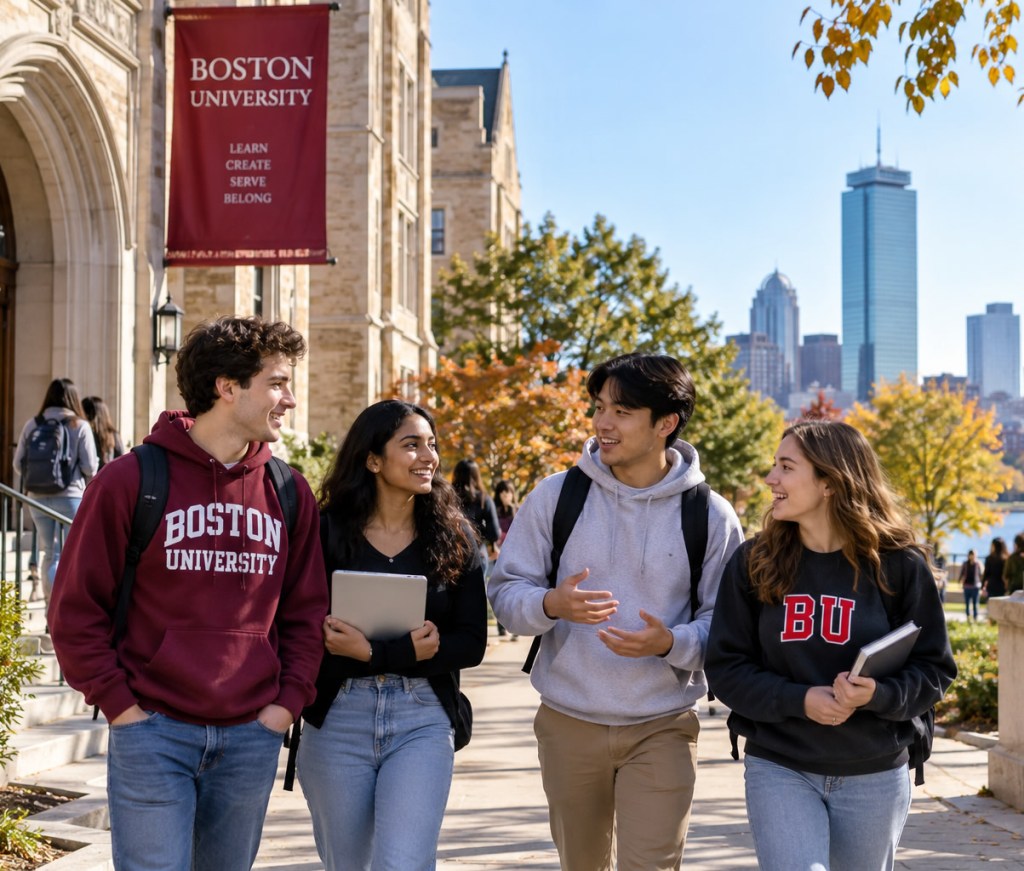
Northeastern Illinois University Achieves Investment-Grade Upgrade

Moody’s Upgrades Northeastern Illinois University to Investment-Grade Status

CHICAGO, Jan. 20, 2026 — Northeastern Illinois University (NEIU) has achieved a major financial milestone with an upgrade from Moody’s Ratings. The agency raised NEIU’s issuer rating from Ba1 to Baa3, officially restoring the University’s investment-grade status. Moody’s also revised the outlook to stable following the January 9, 2026, upgrade.

At a meeting of the NEIU Board of Trustees on January 15, university leaders highlighted the significance of the achievement. “Reaching investment-grade status positions Northeastern to access capital markets on more favorable terms,” the Board noted in its statement. “This increases our financial flexibility and supports the University’s long-term stability.”

Moody’s cited several factors supporting its decision, including NEIU’s targeted enrollment-growth initiatives, disciplined cost management, ongoing support from the State of Illinois, and overall stable operational performance. The agency also recognized the University’s manageable debt levels, prudent capital planning, and limited near-term borrowing needs.

“This upgrade is a significant milestone for Northeastern Illinois University,” said President Katrina E. Bell-Jordan. “A credit rating reflects an institution’s overall financial health. It’s also a testament to thoughtful stewardship and the collective efforts of our campus community. This affirmation shows that progress and stability go hand in hand when guided by a clear, long-term vision — one focused on sustaining our mission and expanding opportunity for future generations.”

Vice President for Finance and Administration and Chief Financial Officer Beni Ortiz echoed the sentiment, emphasizing the outcome as validation of NEIU’s sound fiscal management. “It confirms the hard work we’ve done to manage expenses responsibly and positions the University well as we move forward,” Ortiz said.

Looking ahead, Moody’s outlined conditions that could support further upgrades, such as continued improvement in operating performance, positive enrollment and tuition growth, and maintenance of strong liquidity levels.

“This achievement reflects the dedication of our faculty, staff, stewards, and partners who continue to strengthen the University’s financial foundation,” President Bell-Jordan added. “Their commitment enables NEIU to serve our students, the city of Chicago, and the State of Illinois for generations to come.”

Northeastern Illinois University

Founded in 1867, Northeastern Illinois University is a Minority-Serving Institution and the longest-standing four-year public Hispanic-Serving Institution in the Midwest. The University offers more than 40 undergraduate programs and certificates and over 50 graduate degree, certificate, licensure, and endorsement programs. NEIU’s main campus sits on 67 acres in a residential area on Chicago’s Northwest Side, with additional locations at the Jacob H. Carruthers Center for Inner City Studies, El Centro, and the University Center of Lake County.


Davos 2026: Leaders Unite for Dialogue and Trust

World Economic Forum 2026: Rekindling Global Trust Through a Spirit of Dialogue

View of Kongress Hotel Davos with snow-capped mountains in the background.
Impressions from the World Economic Forum Annual Meeting 2025 in Davos-Klosters, Switzerland, January 19, 2025. Image provided by & Copyright World Economic Forum/Gabriel Lado.

From January 19 to 23, 2026, the alpine town of Davos-Klosters in Switzerland will once again become the epicentre of global decision-making as the World Economic Forum convenes its 56th Annual Meeting. At a time marked by geopolitical tensions, economic fragmentation, climate urgency, and rapid technological disruption, the Forum’s theme—“A Spirit of Dialogue”—signals a deliberate return to conversation, cooperation, and consensus-building.


A young woman wearing a green puffer jacket and holding a coffee cup, smiling while standing indoors. She has a name tag that reads 'Hello, my name is Sidhi'.
Impressions from the World Economic Forum Annual Meeting 2025 in Davos-Klosters, Schatzalp, Switzerland, January 19, 2025. Image provided by & Copyright World Economic Forum/Thibaut Bouvier.

A Moment That Demands Conversation

The 2026 meeting arrives at a crucial juncture for global cooperation. As nations grapple with slowing growth, climate transitions, AI governance, supply-chain realignments, and widening social divides, Davos aims to move beyond rhetoric toward constructive engagement. The emphasis this year is not merely on debate, but on dialogue—listening across divides, rebuilding trust, and forging practical pathways forward.


Two individuals in business attire engaged in conversation, with a backdrop of multiple national flags displayed on poles.
Impressions from the World Economic Forum Annual Meeting 2025 in Davos-Klosters, Switzerland, January 20, 2025. Image provided by & Copyright World Economic Forum/Ciaran McCrickard.

An Unprecedented Global Gathering

Reflecting the urgency of the moment, the World Economic Forum 2026 will host nearly 3,000 leaders from more than 130 countries, making it one of the most broadly representative Davos meetings to date.

  • Government and Public Leadership:
    A record 400 high-ranking political leaders are expected, including nearly 65 heads of state and government and six leaders from the G7 nations. Their presence underscores the Forum’s growing role as a neutral platform for diplomacy and multilateral coordination.
  • Business and Industry:
    Around 850 of the world’s top CEOs and chairpersons will participate, representing sectors ranging from finance, energy, and manufacturing to healthcare, media, and advanced technologies. Their discussions will focus on navigating uncertainty while driving sustainable and inclusive growth.
  • Innovation and Technology:
    Nearly 100 leading unicorns and technology pioneers are set to attend, highlighting Davos’ increasing focus on frontier technologies—artificial intelligence, quantum computing, clean tech, and biotechnology—and their governance at scale.
  • Civil Society and Academia:
    Leaders from international organizations, non-profits, think tanks, and universities will contribute perspectives on equity, ethics, education, and the societal impact of global transformation.

Snow-covered mountains with a church steeple in the foreground, surrounded by evergreen trees and a clear sky.
Impressions from the World Economic Forum Annual Meeting 2025 in Davos-Klosters, Switzerland, January 20, 2025. Image provided by & Copyright World Economic Forum/Jason Alden.

Agenda Highlights: What Will Shape Davos 2026

The programme for the 56th Annual Meeting is expected to revolve around several interconnected priorities:

  • Revitalising Multilateralism: Strengthening international institutions and cooperation frameworks in an era of strategic rivalry.
  • Economic Resilience: Addressing debt, inflation, trade realignments, and inclusive growth in both developed and emerging economies.
  • Climate and Energy Transition: Accelerating climate action while ensuring energy security and a just transition.
  • Technology and Trust: Governing AI and digital platforms responsibly, balancing innovation with ethics and accountability.
  • Human Capital and Social Cohesion: Investing in skills, jobs, and social systems to prevent widening inequality and fragmentation.

Snow-covered mountains under a clear blue sky, with evergreen trees in the foreground.
Impressions from the World Economic Forum Annual Meeting 2025 in Davos-Klosters, Switzerland, January 18, 2025. Image provided by & Copyright World Economic Forum/Benedikt von Loebell.

Davos as a Platform for Dialogue

Beyond formal sessions, Davos-Klosters will once again host hundreds of bilateral meetings, informal roundtables, and cross-sector conversations—often where breakthroughs quietly begin. In keeping with the theme, the Forum is positioning itself less as a stage for grand declarations and more as a listening space for competing viewpoints to converge.

Switzerland will host this year’s meeting, which is expected to draw 400 government leaders. This participation marks the highest level of government involvement in the Annual Meeting’s history. Among those attending will be nearly 65 heads of state and government, 55 ministers of economy and finance, 33 ministers of foreign affairs, 34 ministers of trade, commerce, and industry, and 11 governors of central banks. High-level representation is anticipated from all key regions, including six leaders from the G7 and heads of state from countries crucial to discussions on critical global issues, such as Ukraine, Gaza, and the broader Middle East, and beyond.

Top political leaders participating include:

  • Donald Trump, President of the United States of America
  • Mark Carney, Prime Minister of Canada
  • Friedrich Merz, Federal Chancellor of Germany
  • Ursula von der Leyen, President of the European Commission
  • He Lifeng, Vice Premier of the People’s Republic of China
  • Javier Milei, President of Argentina
  • Prabowo Subianto, President of Indonesia
  • Pedro Sánchez, Prime Minister of Spain
  • Guy Parmelin, President of the Swiss Confederation (2026)
  • Vahagn Khachaturyan, President of the Republic of Armenia
  • Ilham Aliyev, President of the Republic of Azerbaijan
  • Bart De Wever, Prime Minister of Belgium
  • Gustavo Petro, President of Colombia
  • Félix-Antoine Tshisekedi Tshilombo, President of the Democratic Republic of the Congo
  • Daniel Noboa Azín, President of Ecuador
  • Alexander Stubb, President of Finland
  • Kyriakos Mitsotakis, Prime Minister of Greece
  • Micheál Martin, Taoiseach of Ireland
  • Aziz Akhannouch, Head of Government of the Kingdom of Morocco
  • Daniel Francisco Chapo, President of Mozambique
  • Dick Schoof, Prime Minister of the Netherlands
  • Mian Muhammad Shehbaz Sharif, Prime Minister of Pakistan
  • Mohammed Mustafa, Prime Minister of the Palestinian National Authority
  • Karol Nawrocki, President of Poland
  • Mohammed Bin Abdulrahman Al Thani, Prime Minister and Minister of Foreign Affairs of the State of Qatar
  • Aleksandar Vučić, President of Serbia
  • Tharman Shanmugaratnam, President of Singapore
  • Isaac Herzog, President of the State of Israel
  • Ahmad Al Sharaa, President of Syria
  • Volodymyr Zelenskyy, President of Ukraine

The following international leaders will be participating:

  • António Guterres, Secretary-General of the United Nations
  • Ngozi Okonjo-Iweala, Director-General of the World Trade Organization
  • Kristalina Georgieva, Managing Director of the International Monetary Fund
  • Ajay S. Banga, President of the World Bank Group
  • Mark Rutte, Secretary-General of the North Atlantic Treaty Organization
  • Tedros Adhanom Ghebreyesus, Director-General of the World Health Organization
  • Alexander De Croo, Administrator of the United Nations Development Programme
  • Mathias Cormann, Secretary-General of the Organisation for Economic Cooperation and Development
  • Doreen Bogdan-Martin, Secretary-General of the International Telecommunication Union
  • Barham Salih, UN High Commissioner for Refugees
  • Jasem Al Budaiwi, Secretary-General of the Gulf Cooperation Council

Approximately 1,700 business leaders will participate, including nearly 850 of the world’s top CEOs and chairpersons from the World Economic Forum’s members and partners. Additionally, almost 100 CEOs and chairpersons from unicorn companies and tech pioneers transforming industries and shaping the global future of technology will be in attendance.


Looking Ahead

As the world faces overlapping crises and opportunities, the World Economic Forum 2026 seeks to reaffirm a simple yet powerful idea: progress begins with dialogue. Whether it leads to renewed cooperation, pragmatic compromises, or bold collective action, Davos this year aims to remind global leaders that meaningful solutions are forged not in isolation but through sustained, respectful conversation.


“In a fractured world, Davos 2026 calls leaders back to the table—where dialogue becomes the first step toward global renewal.”


— This article is also available on CitiTimes, a website managed and edited by the author.
Discover the Dakar Rally: A Race of Survival

Into the Sands of Destiny

The desert wakes before dawn. Engines growl against the silence, headlights pierce the mist, and competitors steel themselves for another day in the Dakar Rally 2026—a race that is less about winning and more about surviving.

For nearly half a century, Dakar has been the crucible where human endurance and mechanical resilience are tested against the raw elements. It is not a race for the faint-hearted. It is a pilgrimage into the unknown, where dunes swallow tracks, mountains punish suspensions, and fatigue gnaws at even the strongest wills.

“It is a pilgrimage into the unknown, where dunes swallow tracks and mountains punish suspensions.”


A Ford off-road truck racing on a sandy terrain, kicking up dust and debris, with rocky terrain in the background. The vehicle features a blue and red design with sponsorship logos.
Carlos Sainz and Lucas Cruz of the Ford M-Sport Team during the Prologue of the Dakar 2026 on January 3, 2026, around Yanbu, Saudi Arabia. Photographer Credit: Kin Marcin / Red Bull Content Pool.

A Legacy Written in Sand

The Dakar story began in 1979, when Thierry Sabine transformed his desert misadventure into a vision: a rally-raid across continents, where the journey mattered as much as the finish line. From the Sahara’s golden expanses to the Andes’ jagged peaks, Dakar has always been a moving epic.

Now, in Saudi Arabia, the rally has found a new stage—vast deserts echoing the spirit of its African origins. The 2026 edition promises routes that twist through canyons, sweep across endless dunes, and climb into rocky highlands, each stage a chapter in a saga of survival.

“Dakar is the crucible where human endurance and mechanical resilience are tested against the raw elements.”


A red off-road race car, labeled 'MINI', speeds across a sandy dune, kicking up dust and sand.
Carlos Sainz (ESP) of Bahrain JCW Team races during stage 6 of Rally Dakar 2020 from Ha’il to Riyadh, Saudi Arabia on January 10, 2020. Photographer Credit: Marcelo Maragni / Red Bull Content Pool.

Heroes of Dakar

Every Dakar produces legends. Some are seasoned champions, others unexpected underdogs.

  • Hubert Auriol, the “African,” etched his name as the first to conquer both bikes and cars.
  • Carlos Sainz, the Spanish matador, proved that rally instincts translate into desert dominance.
  • Nasser Al-Attiyah, the Qatari sharpshooter, became synonymous with precision and persistence.
  • And in 2026, new names rise—like Sanjay Takale, whose podium finish in the Cars category signals Dakar’s growing global reach.

These competitors embody Dakar’s paradox: it is both a race and a relentless endurance trial, where glory is measured not just in trophies but in scars, grit, and stories told around campfires.


A red and white racing truck driving on a rocky terrain, kicking up dust in a desert landscape with rocky formations in the background.
Nasser Al-Attiyah (QAT) of Toyota Gazoo Racing races during stage 9 of Rally Dakar 2020 from Wadi Al Dawasir to Haradh, Saudi Arabia, on January 14, 2020. Photographer Credit: Marcelo Maragni / Red Bull Content Pool.

Machines Forged for the Impossible

The vehicles of Dakar are not ordinary machines—they are desert warriors.

  • Toyota Hilux DKR GR: A beast built for balance, speed, and durability.
  • Ford Raptor T1+: Muscular, relentless, engineered to devour dunes.
  • IVECO Trucks with FPT Engines: Towering giants, carrying teams and dreams across punishing terrain.

Each is a marvel of engineering, designed to withstand blistering heat, shifting sands, and the punishing rhythm of thousands of kilometers. In Dakar, technology is not a luxury—it is a survival tool.


A motocross rider performing a wheelie on a dirt bike in a rugged terrain.
Edgar Canet of the Red Bull KTM Factory Racing during the Prologue of the Dakar 2026 on January 3, 2026, around Yanbu, Saudi Arabia. Photographer Credit: Kin Marcin / Red Bull Content Pool.

The Spirit of Dakar

What makes Dakar magnetic is not just the spectacle of machines tearing across deserts, but the human drama behind it. Competitors wrestle with exhaustion, navigate by instinct when GPS falters, and repair broken parts under starlit skies.

It is a race where victory is fragile, and survival itself is a triumph. For fans, Dakar is a reminder that adventure still exists in its rawest form—a place where courage, innovation, and endurance collide.


A red off-road racing car jumps across a rugged desert terrain, kicking up dust in the air, with rocky cliffs in the background.
Carlos Sainz (ESP) of Bahrain JCW Team races during stage 9 of Rally Dakar 2020 from Wadi Al Dawasir to Haradh, Saudi Arabia on January 14, 2020. Photographer Credit: Marcelo Maragni / Red Bull Content Pool.

Looking Ahead

As the 2026 edition unfolds, the desert will write new stories. Some will be of heartbreak, others of triumph. But all will carry the essence of Dakar: a relentless pursuit of the horizon, where every grain of sand whispers the same truth—this is the ultimate test.


“The desert wakes before dawn. Engines growl against the silence, and headlights pierce the mist.”


— This article is also available on CitiTimes, a website managed and edited by the author.
Midnight Magic: How the World Celebrated 2026

A World United in Celebration: How the Globe Welcomed 2026

A vibrant city skyline illuminated by fireworks with the year '2026' prominently displayed in the foreground, capturing a global New Year celebration.

As the clock struck midnight across time zones, the world burst into color, sound, and joy to welcome 2026. From the first fireworks in the Pacific to the final cheers in New York, each city added its own magic to the global countdown, reminding us that, despite distance, celebration is a universal language.


A vibrant fireworks display lights up the night sky over a city skyline featuring modern architecture, including an iconic opera house and a tall tower.

Auckland and Sydney: Dawn of the New Year

The Pacific greeted 2026 before anyone else. Auckland, New Zealand’s Sky Tower, lit up in a dazzling pyrotechnic display set to music, while crowds gathered along the waterfront to count down the final seconds of 2025. Just two hours later, Sydney followed suit with one of the planet’s most spectacular fireworks shows over its iconic Harbour Bridge and Opera House. Over a million spectators watched as the night sky shimmered in rainbow hues, dancing across the water.


A vibrant display of fireworks over iconic city landmarks, symbolizing a global celebration for the New Year.

Asia Lights Up: Bangkok, Hong Kong, Singapore, and Tokyo

In Bangkok, the celebration along the Chao Phraya River was electric — sky lanterns floated upward as fireworks erupted above luxury riverfront hotels. Hong Kong filled Victoria Harbour with synchronized fireworks and light shows projected from the city’s skyscrapers. In Singapore, Marina Bay transformed into a festival of light and music, complete with laser shows and thousands of glowing orbs reflecting in the water.

Tokyo’s countdown, marked by the ringing of temple bells and a brilliant skyline display, blended tradition with modern energy. People flocked to Shibuya Crossing for the city’s own midnight countdown, while others gathered at shrines for a peaceful first prayer of the year.


A vibrant night skyline featuring colorful fireworks above iconic buildings, including the Sydney Harbour Bridge, Empire State Building, and Sydney Opera House.

Europe Joins the Festivities: London and Paris

As the clock turned midnight in Europe, the River Thames sparkled under the most ambitious fireworks show London has hosted yet. Big Ben tolled twelve times, signaling the start of a brilliant cascade of color across the sky, choreographed perfectly to music celebrating unity and hope. Paris celebrated in elegance — the Eiffel Tower glowed with thousands of twinkling lights as fireworks burst above the Champ de Mars, painting the winter night with gold and red.


A vibrant fireworks display over a city skyline featuring iconic buildings, celebrating the arrival of the New Year.

New York: The Grand Finale

Finally, the world’s eyes turned to New York City for the iconic Times Square Ball Drop. Over a million people braved the chill to watch the glittering sphere descend, marking the start of 2026 amid confetti showers and cheers. A star-studded lineup of performers and countless lights made it a night to remember, closing the planet’s 24-hour wave of celebrations on a dazzling note.


A vibrant night skyline featuring fireworks above an iconic city landscape with the Sydney Opera House and skyscrapers illuminated, celebrating the New Year.

A Fresh Start, A Shared Moment

From Auckland to New York, the arrival of 2026 reminded humanity of the joy that comes from togetherness. In every city, every cheer, and every burst of light across the sky, there was a shared wish: for a brighter, kinder, and more connected year ahead.


“From Auckland’s first spark to New York’s final cheer, the world lit up as one to welcome 2026 in a cascade of color and hope.”


  “As fireworks danced from Sydney Harbour to Times Square, midnight became the moment the world stood united in celebration.”


— This post is also available on CitiTimes.com, another website that is run and edited by the author. It has garnered significant popularity on both LinkedIn and Twitter.
Experience the Magic of Times Square New Year’s Eve 2025

Times Square New Year’s Eve 2025: A Global Countdown to Hope

The Ball That Captivates the World

At the stroke of midnight, the Constellation Ball—adorned with 5,280 Waterford crystals—will descend, lighting up Times Square with dazzling LED brilliance. Since 1907, this ritual has symbolized renewal, and in 2025, it promises to be more spectacular than ever.

A Stage for Stars and Unity

From Carrie Underwood and the Jonas Brothers to Rita Ora and Megan Moroney, this year’s lineup blends pop, country, and international flair. Cultural showcases by the Sino-American Friendship Association and Triad Brass remind us that Times Square is not just New York’s stage—it’s the world’s.


A crowded Times Square during New Year's Eve, filled with confetti falling from the sky as people celebrate the arrival of the new year.

Millions Gather, Billions Watch

Over a million revelers will pack Times Square, while billions worldwide tune in. The roar of the crowd, the confetti storm, and the glowing screens make this more than a party—it’s a shared ritual of hope.


Safety First, Celebration Always

With the NYPD, the FBI, and Homeland Security coordinating, the event remains one of the most secure gatherings in the world. Visitors are urged to arrive early, dress warmly, and embrace the long wait as part of the tradition.


A bustling Times Square filled with a large crowd celebrating New Year's Eve, with confetti falling amidst brightly lit billboards and advertisements.
A colorful shower of confetti falls over a crowd celebrating New Year's Eve in Times Square, with excited hands reaching up to catch the vibrant pieces.

The World’s Most Watched Countdown: New Year’s Eve in Times Square

Every December 31, as midnight approaches, Times Square in New York City becomes the focal point of a worldwide celebration. What unfolds here is not just a party—it is one of the most recognizable rituals marking the transition into a new year, followed live by millions and broadcast to hundreds of millions worldwide.


A vibrant and crowded scene in Times Square during New Year's Eve, featuring a large crowd celebrating with confetti falling amidst bright LED displays and billboards.

A Tradition More Than a Century Old

The Times Square New Year’s Eve celebration dates back to 1904, when New York City first marked the new year in what was then called Longacre Square. The tradition evolved dramatically in 1907 with the introduction of the now-famous Times Square Ball Drop.

Since then, the Ball Drop has taken place every year—except during wartime blackouts—making it one of the longest-running public New Year’s traditions in the world.


The Iconic Ball

The modern Times Square Ball is a technological marvel. Suspended from the rooftop of One Times Square, the Ball is 12 feet in diameter, weighs nearly 12,000 pounds, and is covered with thousands of LED panels. Each year, it descends precisely 77 feet in the final 60 seconds before midnight, synchronizing the crowd’s countdown with the arrival of the New Year.

The Ball’s design and lighting are updated periodically, often reflecting contemporary themes such as unity, hope, sustainability, or global solidarity.


A vibrant display of illuminated billboards and theater signs in Times Square, showcasing various musical productions including 'West Side Story' and 'South Pacific'.

A Global Broadcast Event

While roughly one million people gather in person—often enduring long hours, cold weather, and tight security—the celebration reaches far beyond Manhattan. The event is broadcast live across television networks and digital platforms, making it one of the most-watched annual events worldwide.

For many international viewers, Times Square serves as the symbolic “first celebration” of the New Year, even before midnight arrives in their own time zones.


Performances and Festivities

The evening typically features:

  • Live musical performances by internationally known artists
  • Appearances by cultural figures, entertainers, and public personalities
  • Choreographed light displays and multimedia visuals
  • The collective countdown that unites audiences across continents

Despite the spectacle, the moment midnight strikes is brief and quiet in its own way—confetti fills the air, cheers erupt, and a new calendar year officially begins.


More Than a Party

What sets Times Square apart is its symbolism. The celebration represents renewal, collective hope, and a shared global pause—a rare moment when people around the world look toward the same place, counting down the same seconds.

In an age of fragmented media and divided attention, New Year’s Eve in Times Square remains a powerful reminder of the human desire to mark time together.


“New Year’s Eve in Times Square is less about spectacle and more about a shared human instinct: to begin again, together.”


This post is also available on GlobalGiants.com, another website that is run and edited by the author.