
A World on Edge, Institutions in Sync: Why the IEA–IMF–World Bank Pact Matters Now
Washington, DC | April 2, 2026
At moments when global systems begin to fracture, the true test of international governance is not rhetoric—but coordination. The joint decision by the International Energy Agency, International Monetary Fund, and World Bank Group to form a unified response group to the Middle East crisis is precisely such a test—and, potentially, a turning point.
This is not merely another multilateral statement. It is a recognition that the energy shock triggered by war is no longer sectoral—it is systemic, bleeding into inflation, food security, trade flows, and financial stability across continents.
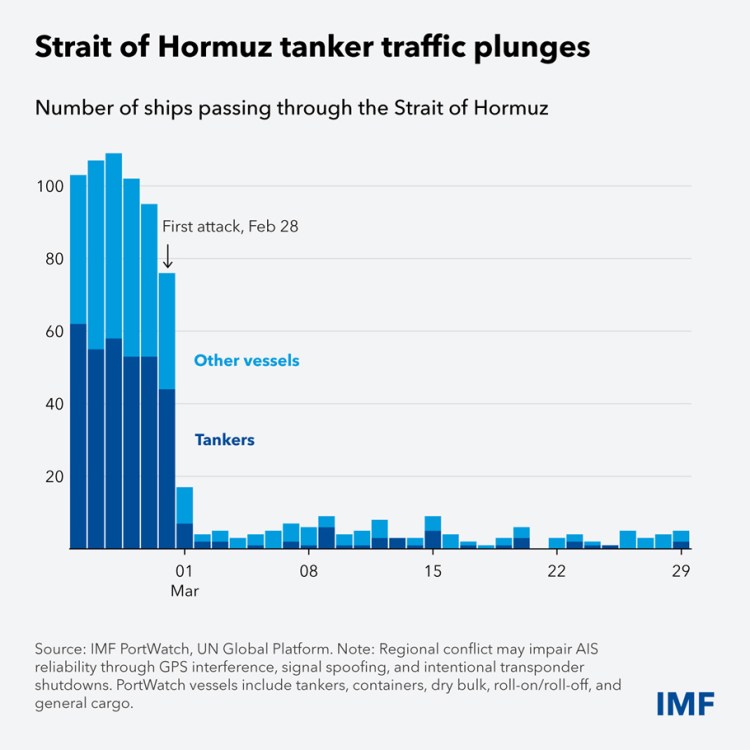
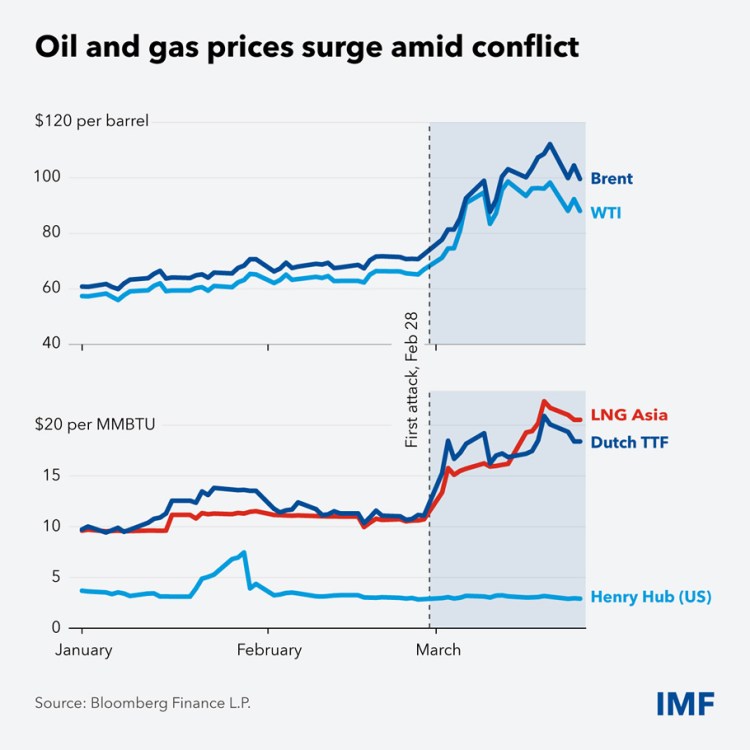
The Anatomy of a Modern Crisis
What distinguishes this crisis is not just its scale, but its interconnectedness.
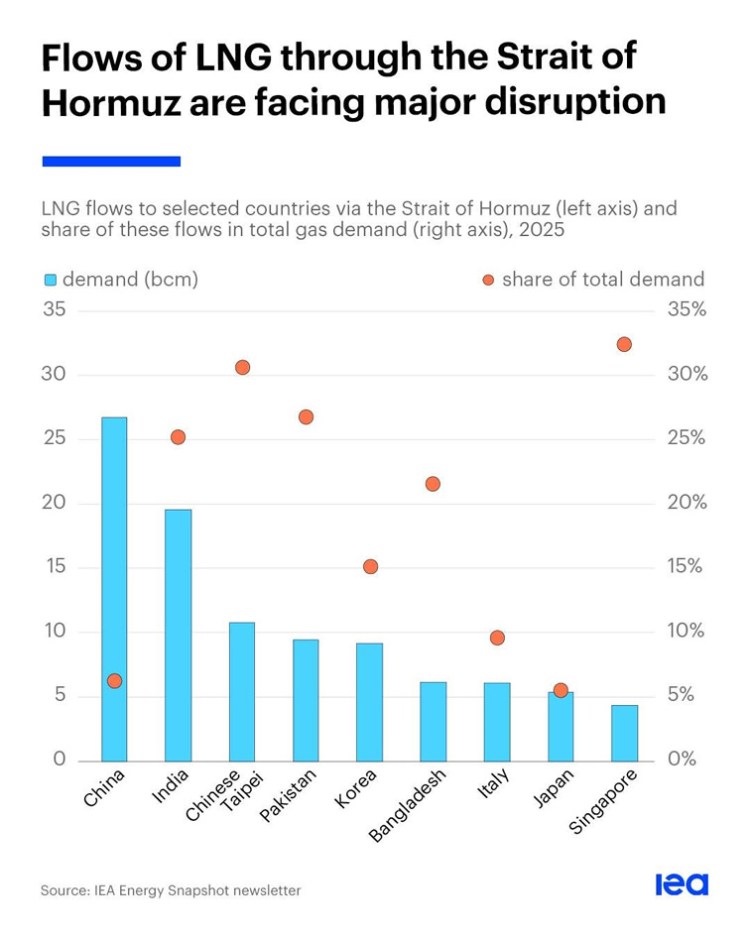
The disruption of oil and gas supplies—already among the most severe in history—has cascaded into:
- Fertilizer shortages threaten agricultural output
- Commodity bottlenecks, from helium to aluminum
- Flight disruptions, unsettling global tourism, and logistics
- Currency instability, particularly in emerging markets
This is the anatomy of a 21st-century shock: one where energy markets ignite inflation, inflation constrains monetary policy, and policy tightening suppresses growth—creating a feedback loop that is difficult to arrest.
And as always, the burden is unevenly distributed. Energy-importing, low-income economies—least responsible, least resilient—are the most exposed.
From Fragmentation to Fusion
Historically, crises of this nature have revealed the limits of siloed thinking. Energy agencies track supply. Financial institutions manage liquidity. Development banks support recovery. But rarely have these domains moved in lockstep.
This time, they must.
The coordination group announced by the three institutions signals an important evolution: a shift from parallel play to integrated strategy. By pooling data, aligning analysis, and synchronizing responses, the group aims to do what fragmented interventions cannot—anticipate, not just react.
This includes:
- Real-time mapping of energy flows and price volatility
- Monitoring inflation and balance-of-payments stress
- Identifying policy and financing gaps before they widen into crises
In essence, the effort attempts to build a shared situational awareness—a prerequisite for any meaningful global response.
The Politics of Support—and Its Limits
Yet coordination, however necessary, is not sufficient.
The real question is whether this alliance can move beyond diagnosis to delivery at scale.
For vulnerable economies, the needs are immediate and unforgiving:
- Liquidity to stabilize currencies
- Subsidy buffers to contain fuel and food inflation
- Investment in energy diversification
- Protection for the most economically fragile populations
The toolkit exists—concessional financing, policy advisory services, and risk mitigation instruments—but its effectiveness will depend on speed, flexibility, and political will.
There is also an uncomfortable truth: multilateral responses often arrive just as national responses turn inward. Export restrictions, protectionist impulses, and fiscal tightening could undermine the very coordination this initiative seeks to build.
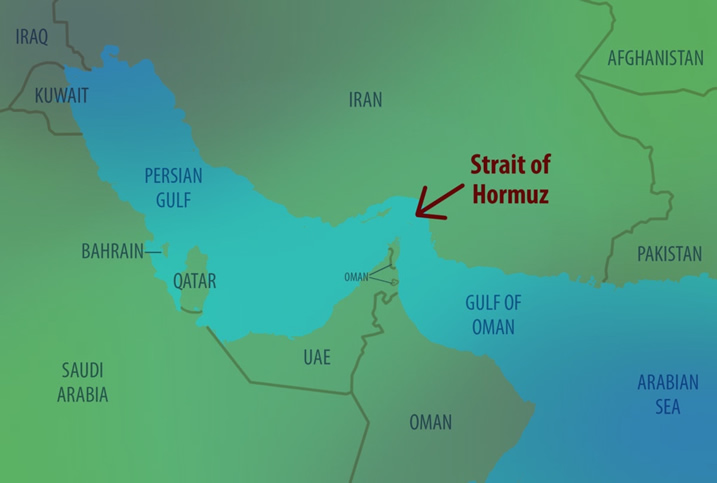
Energy Security Is Economic Security
What this moment underscores—perhaps more starkly than any in recent memory—is that energy security is inseparable from economic security.
A disruption in fuel supply is no longer just an industrial concern; it is:
- A food crisis trigger
- A currency destabilizer
- A growth suppressor
- A political risk multiplier
For countries already navigating debt vulnerabilities and limited fiscal space, the margin for error is vanishingly small.
The IEA–IMF–World Bank collaboration, therefore, is not just about crisis containment. It is about redefining resilience in an era where shocks are global, rapid, and compounding.
A Quiet but Defining Shift
There is something understated—almost quiet—about this announcement. No grand pledges. No headline-grabbing figures. Just a framework for coordination.
But beneath that restraint lies something more significant: a recognition that the old architecture of global response is no longer adequate.
If this initiative succeeds, it could mark the beginning of a more integrated model of global governance, where energy, finance, and development are treated not as separate domains, but as interlocking systems.
If it fails, the consequences will not be institutional—they will be human, felt in rising prices, shrinking incomes, and widening inequalities.

The Editorial Take
The world is not short of institutions. It is short of synchronization.
This joint effort is, at its core, an attempt to correct that deficit—to replace fragmentation with coherence at a time when coherence is desperately needed.
Whether it delivers will depend on execution. But one thing is already clear: in a world defined by cascading crises, coordination is no longer diplomacy—it is survival.
“In today’s global economy, energy shocks do not stay in pipelines—they travel through prices, policies, and people’s lives.”
— This article is also available on CitiTimes, a website managed and edited by the author.
 Surender Hastir