The desert wakes before dawn. Engines growl against the silence, headlights pierce the mist, and competitors steel themselves for another day in the Dakar Rally 2026—a race that is less about winning and more about surviving.
For nearly half a century, Dakar has been the crucible where human endurance and mechanical resilience are tested against the raw elements. It is not a race for the faint-hearted. It is a pilgrimage into the unknown, where dunes swallow tracks, mountains punish suspensions, and fatigue gnaws at even the strongest wills.
“It is a pilgrimage into the unknown, where dunes swallow tracks and mountains punish suspensions.”
Carlos Sainz and Lucas Cruz of the Ford M-Sport Team during the Prologue of the Dakar 2026 on January 3, 2026, around Yanbu, Saudi Arabia. Photographer Credit: Kin Marcin / Red Bull Content Pool.
A Legacy Written in Sand
The Dakar story began in 1979, when Thierry Sabine transformed his desert misadventure into a vision: a rally-raid across continents, where the journey mattered as much as the finish line. From the Sahara’s golden expanses to the Andes’ jagged peaks, Dakar has always been a moving epic.
Now, in Saudi Arabia, the rally has found a new stage—vast deserts echoing the spirit of its African origins. The 2026 edition promises routes that twist through canyons, sweep across endless dunes, and climb into rocky highlands, each stage a chapter in a saga of survival.
“Dakar is the crucible where human endurance and mechanical resilience are tested against the raw elements.”
Carlos Sainz (ESP) of Bahrain JCW Team races during stage 6 of Rally Dakar 2020 from Ha’il to Riyadh, Saudi Arabia on January 10, 2020. Photographer Credit: Marcelo Maragni / Red Bull Content Pool.
Heroes of Dakar
Every Dakar produces legends. Some are seasoned champions, others unexpected underdogs.
Hubert Auriol, the “African,” etched his name as the first to conquer both bikes and cars.
Carlos Sainz, the Spanish matador, proved that rally instincts translate into desert dominance.
Nasser Al-Attiyah, the Qatari sharpshooter, became synonymous with precision and persistence.
And in 2026, new names rise—like Sanjay Takale, whose podium finish in the Cars category signals Dakar’s growing global reach.
These competitors embody Dakar’s paradox: it is both a race and a relentless endurance trial, where glory is measured not just in trophies but in scars, grit, and stories told around campfires.
Nasser Al-Attiyah (QAT) of Toyota Gazoo Racing races during stage 9 of Rally Dakar 2020 from Wadi Al Dawasir to Haradh, Saudi Arabia, on January 14, 2020. Photographer Credit: Marcelo Maragni / Red Bull Content Pool.
Machines Forged for the Impossible
The vehicles of Dakar are not ordinary machines—they are desert warriors.
Toyota Hilux DKR GR: A beast built for balance, speed, and durability.
Ford Raptor T1+: Muscular, relentless, engineered to devour dunes.
IVECO Trucks with FPT Engines: Towering giants, carrying teams and dreams across punishing terrain.
Each is a marvel of engineering, designed to withstand blistering heat, shifting sands, and the punishing rhythm of thousands of kilometers. In Dakar, technology is not a luxury—it is a survival tool.
Edgar Canet of the Red Bull KTM Factory Racing during the Prologue of the Dakar 2026 on January 3, 2026, around Yanbu, Saudi Arabia. Photographer Credit: Kin Marcin / Red Bull Content Pool.
The Spirit of Dakar
What makes Dakar magnetic is not just the spectacle of machines tearing across deserts, but the human drama behind it. Competitors wrestle with exhaustion, navigate by instinct when GPS falters, and repair broken parts under starlit skies.
It is a race where victory is fragile, and survival itself is a triumph. For fans, Dakar is a reminder that adventure still exists in its rawest form—a place where courage, innovation, and endurance collide.
Carlos Sainz (ESP) of Bahrain JCW Team races during stage 9 of Rally Dakar 2020 from Wadi Al Dawasir to Haradh, Saudi Arabia on January 14, 2020. Photographer Credit: Marcelo Maragni / Red Bull Content Pool.
Looking Ahead
As the 2026 edition unfolds, the desert will write new stories. Some will be of heartbreak, others of triumph. But all will carry the essence of Dakar: a relentless pursuit of the horizon, where every grain of sand whispers the same truth—this is the ultimate test.
“The desert wakes before dawn. Engines growl against the silence, and headlights pierce the mist.”
— This article is also available on CitiTimes, a website managed and edited by the author.
A World United in Celebration: How the Globe Welcomed 2026
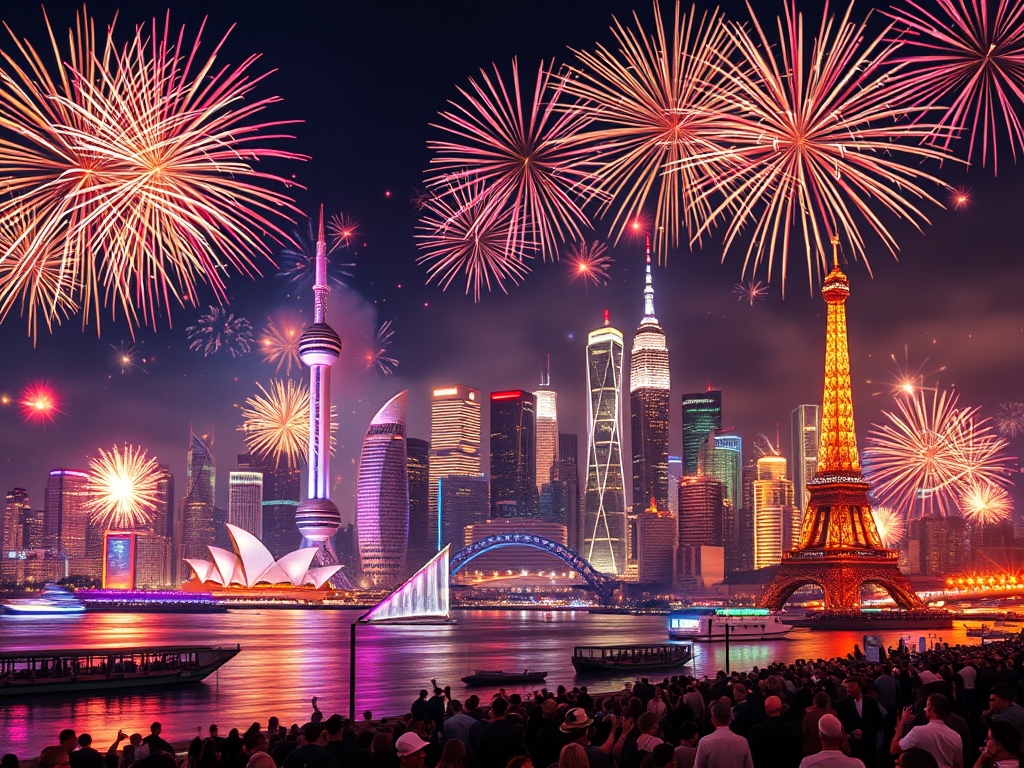
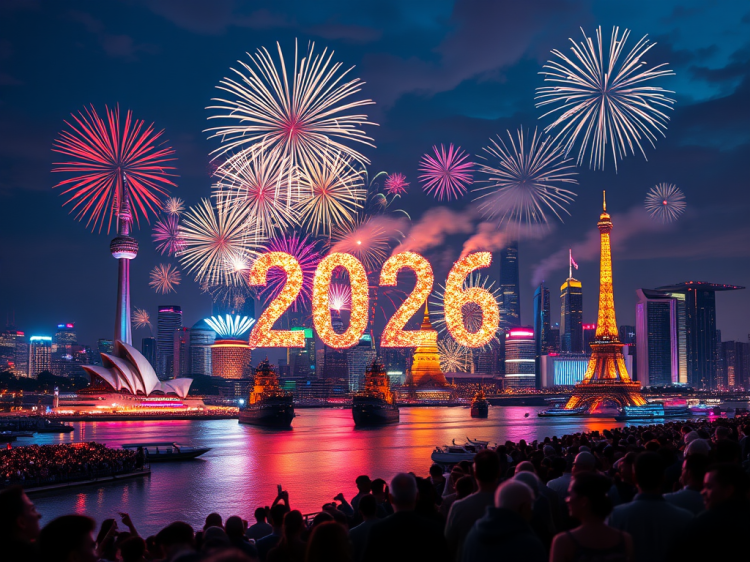
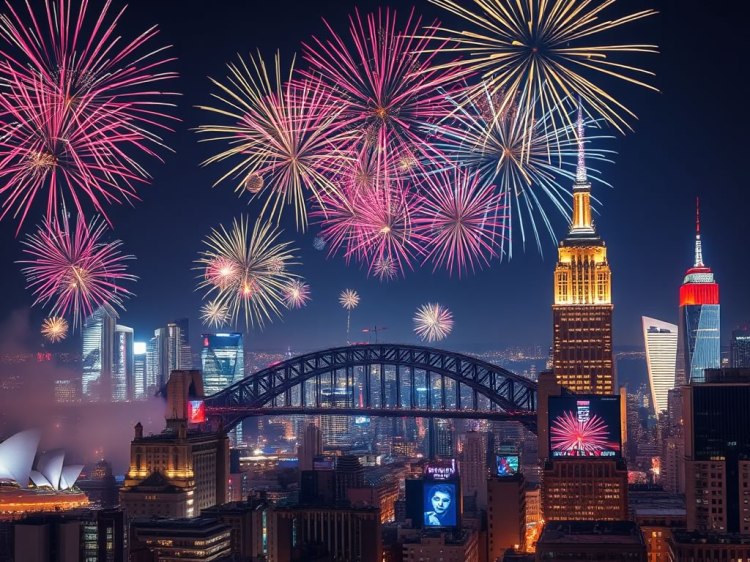
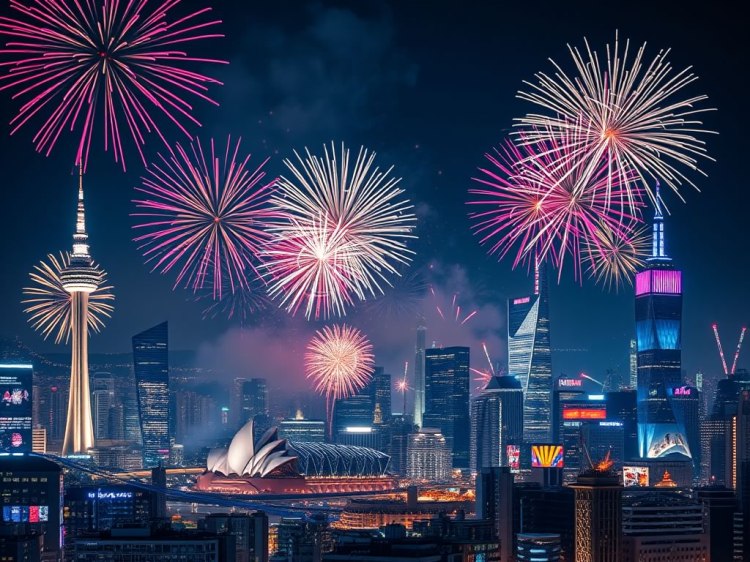
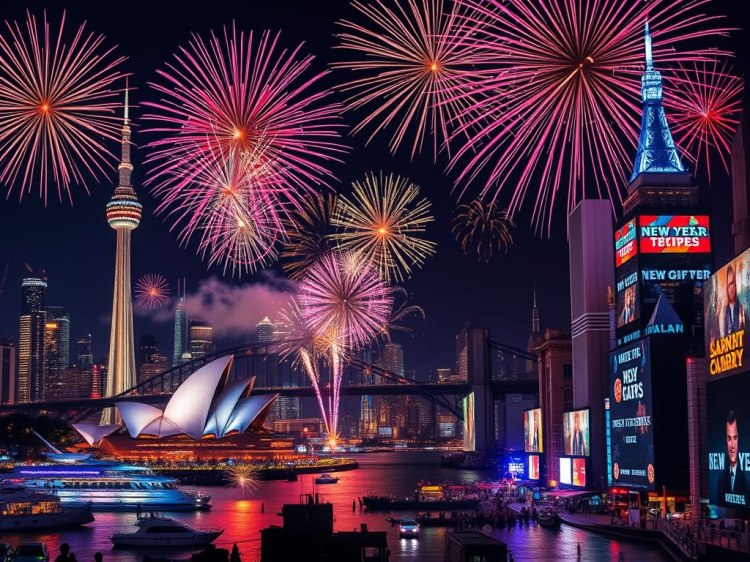
As the clock struck midnight across time zones, the world burst into color, sound, and joy to welcome 2026. From the first fireworks in the Pacific to the final cheers in New York, each city added its own magic to the global countdown, reminding us that, despite distance, celebration is a universal language.
Auckland and Sydney: Dawn of the New Year
The Pacific greeted 2026 before anyone else. Auckland, New Zealand’s Sky Tower, lit up in a dazzling pyrotechnic display set to music, while crowds gathered along the waterfront to count down the final seconds of 2025. Just two hours later, Sydney followed suit with one of the planet’s most spectacular fireworks shows over its iconic Harbour Bridge and Opera House. Over a million spectators watched as the night sky shimmered in rainbow hues, dancing across the water.
Asia Lights Up: Bangkok, Hong Kong, Singapore, and Tokyo
In Bangkok, the celebration along the Chao Phraya River was electric — sky lanterns floated upward as fireworks erupted above luxury riverfront hotels. Hong Kong filled Victoria Harbour with synchronized fireworks and light shows projected from the city’s skyscrapers. In Singapore, Marina Bay transformed into a festival of light and music, complete with laser shows and thousands of glowing orbs reflecting in the water.
Tokyo’s countdown, marked by the ringing of temple bells and a brilliant skyline display, blended tradition with modern energy. People flocked to Shibuya Crossing for the city’s own midnight countdown, while others gathered at shrines for a peaceful first prayer of the year.
Europe Joins the Festivities: London and Paris
As the clock turned midnight in Europe, the River Thames sparkled under the most ambitious fireworks show London has hosted yet. Big Ben tolled twelve times, signaling the start of a brilliant cascade of color across the sky, choreographed perfectly to music celebrating unity and hope. Paris celebrated in elegance — the Eiffel Tower glowed with thousands of twinkling lights as fireworks burst above the Champ de Mars, painting the winter night with gold and red.
New York: The Grand Finale
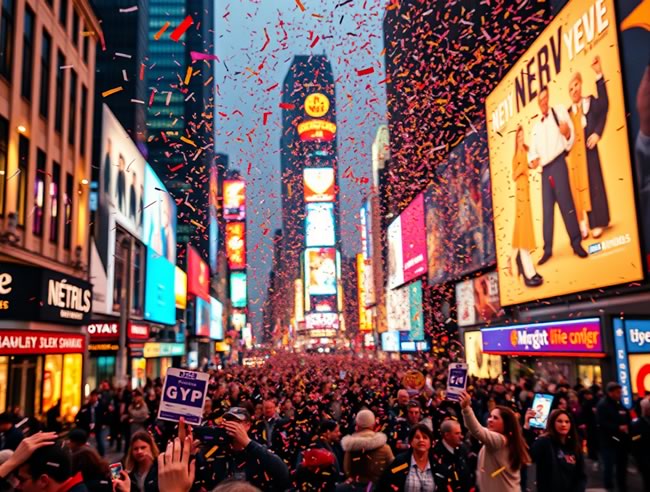
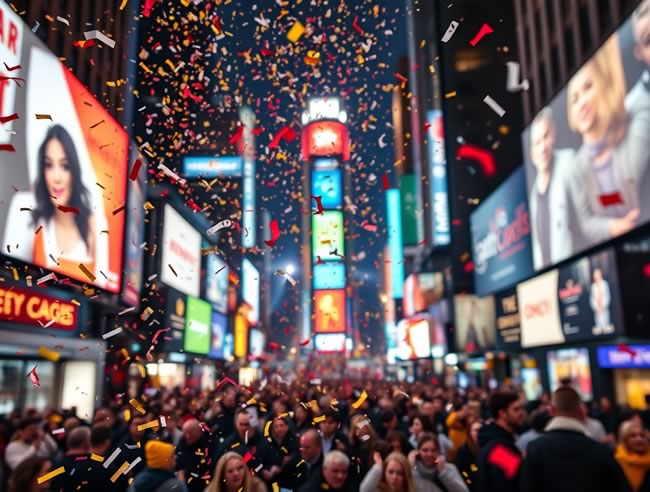
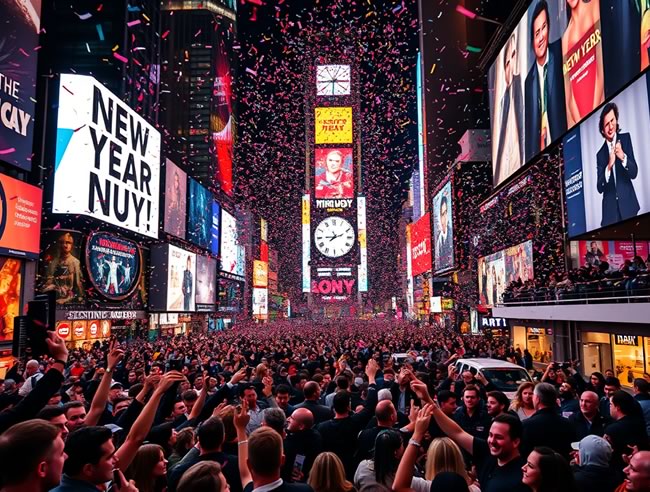
Finally, the world’s eyes turned to New York City for the iconic Times Square Ball Drop. Over a million people braved the chill to watch the glittering sphere descend, marking the start of 2026 amid confetti showers and cheers. A star-studded lineup of performers and countless lights made it a night to remember, closing the planet’s 24-hour wave of celebrations on a dazzling note.
A Fresh Start, A Shared Moment
From Auckland to New York, the arrival of 2026 reminded humanity of the joy that comes from togetherness. In every city, every cheer, and every burst of light across the sky, there was a shared wish: for a brighter, kinder, and more connected year ahead.
“From Auckland’s first spark to New York’s final cheer, the world lit up as one to welcome 2026 in a cascade of color and hope.”
“As fireworks danced from Sydney Harbour to Times Square, midnight became the moment the world stood united in celebration.”
— This post is also available on CitiTimes.com, another website that is run and edited by the author. It has garnered significant popularity on both LinkedIn and Twitter.
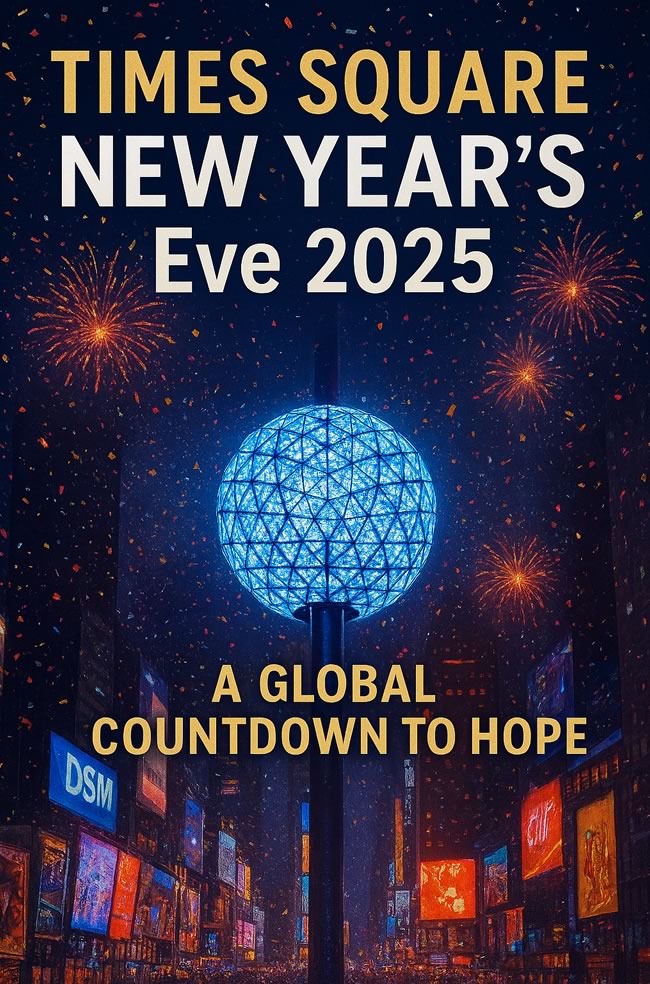
Times Square New Year’s Eve 2025: A Global Countdown to Hope
The Ball That Captivates the World
At the stroke of midnight, the Constellation Ball—adorned with 5,280 Waterford crystals—will descend, lighting up Times Square with dazzling LED brilliance. Since 1907, this ritual has symbolized renewal, and in 2025, it promises to be more spectacular than ever.
A Stage for Stars and Unity
From Carrie Underwood and the Jonas Brothers to Rita Ora and Megan Moroney, this year’s lineup blends pop, country, and international flair. Cultural showcases by the Sino-American Friendship Association and Triad Brass remind us that Times Square is not just New York’s stage—it’s the world’s.
Millions Gather, Billions Watch
Over a million revelers will pack Times Square, while billions worldwide tune in. The roar of the crowd, the confetti storm, and the glowing screens make this more than a party—it’s a shared ritual of hope.
Safety First, Celebration Always
With the NYPD, the FBI, and Homeland Security coordinating, the event remains one of the most secure gatherings in the world. Visitors are urged to arrive early, dress warmly, and embrace the long wait as part of the tradition.
The World’s Most Watched Countdown: New Year’s Eve in Times Square
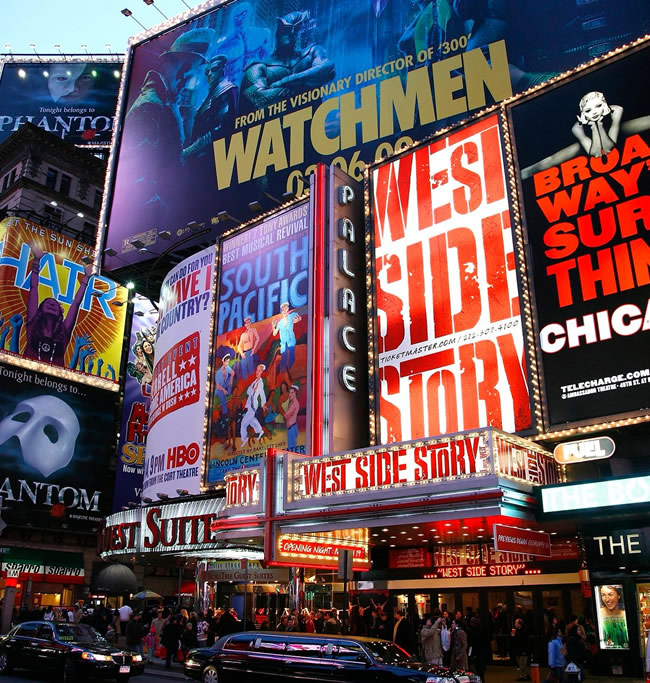
Every December 31, as midnight approaches, Times Square in New York City becomes the focal point of a worldwide celebration. What unfolds here is not just a party—it is one of the most recognizable rituals marking the transition into a new year, followed live by millions and broadcast to hundreds of millions worldwide.
A Tradition More Than a Century Old
The Times Square New Year’s Eve celebration dates back to 1904, when New York City first marked the new year in what was then called Longacre Square. The tradition evolved dramatically in 1907 with the introduction of the now-famous Times Square Ball Drop.
Since then, the Ball Drop has taken place every year—except during wartime blackouts—making it one of the longest-running public New Year’s traditions in the world.
The Iconic Ball
The modern Times Square Ball is a technological marvel. Suspended from the rooftop of One Times Square, the Ball is 12 feet in diameter, weighs nearly 12,000 pounds, and is covered with thousands of LED panels. Each year, it descends precisely 77 feet in the final 60 seconds before midnight, synchronizing the crowd’s countdown with the arrival of the New Year.
The Ball’s design and lighting are updated periodically, often reflecting contemporary themes such as unity, hope, sustainability, or global solidarity.
A Global Broadcast Event
While roughly one million people gather in person—often enduring long hours, cold weather, and tight security—the celebration reaches far beyond Manhattan. The event is broadcast live across television networks and digital platforms, making it one of the most-watched annual events worldwide.
For many international viewers, Times Square serves as the symbolic “first celebration” of the New Year, even before midnight arrives in their own time zones.
Performances and Festivities
The evening typically features:
Live musical performances by internationally known artists
Appearances by cultural figures, entertainers, and public personalities
Choreographed light displays and multimedia visuals
The collective countdown that unites audiences across continents
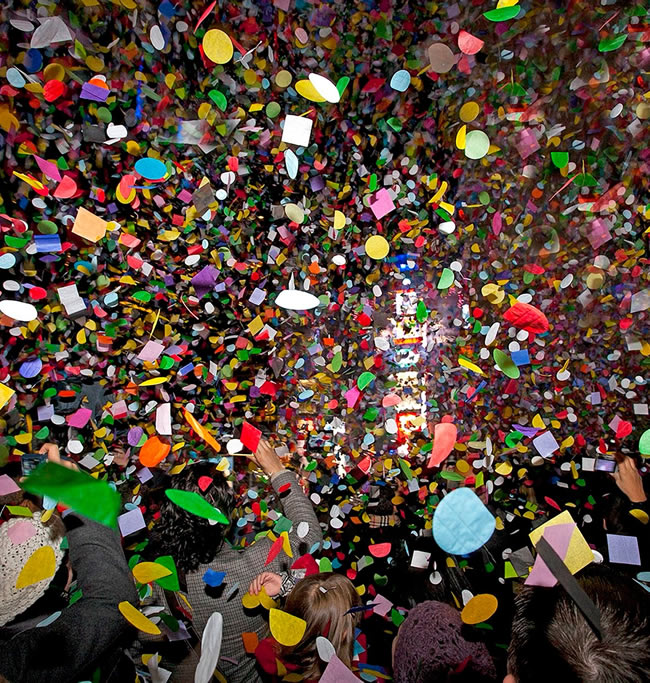
Despite the spectacle, the moment midnight strikes is brief and quiet in its own way—confetti fills the air, cheers erupt, and a new calendar year officially begins.
More Than a Party
What sets Times Square apart is its symbolism. The celebration represents renewal, collective hope, and a shared global pause—a rare moment when people around the world look toward the same place, counting down the same seconds.
In an age of fragmented media and divided attention, New Year’s Eve in Times Square remains a powerful reminder of the human desire to mark time together.
“New Year’s Eve in Times Square is less about spectacle and more about a shared human instinct: to begin again, together.”
— This post is also available on GlobalGiants.com, another website that is run and edited by the author.
Academy Unveils List of International Feature Films Eligible for the Upcoming Oscars
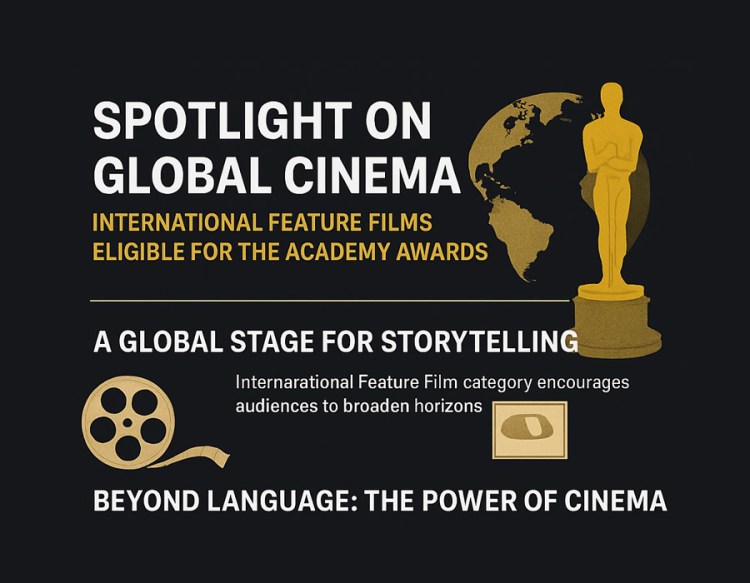
The Academy Awards are more than Hollywood’s annual celebration — they are a global stage where diverse voices converge. The International Feature Film category has become a powerful lens into the world’s cultural, political, and artistic landscapes. It is not just about cinema; it’s about understanding how storytelling reflects global identity and influence.
The Academy of Motion Picture Arts and Sciences has officially announced the slate of feature films eligible for consideration in the International Feature Film category at the upcoming Academy Awards. This annual reveal marks the start of the Oscar season for global cinema, spotlighting outstanding storytelling and artistic excellence from filmmakers worldwide.
Each year, countries submit their best films for the category, and this newly announced list represents the diversity, creativity, and cultural richness of contemporary filmmaking. The eligible titles proceed to the following stages of the selection process, including shortlisting and final nominations.
The International Feature Film category remains one of the most anticipated sections of the Academy Awards, offering audiences a chance to discover compelling stories and cinematic voices beyond mainstream Hollywood. With this year’s submissions, the global film community once again showcases its ability to inspire, challenge, and captivate viewers across borders.
Official Schedule
The Academy members from all branches have been invited to opt in to participate in the preliminary round of voting. The shortlist of 15 films will be announced on Tuesday, December 16, 2025.
Preliminary voting for select categories of the 98th Academy Awards will begin on Monday, December 8, 2025, and end on Friday, December 12, 2025.
The shortlists for the 98th Academy Awards will be announced on Tuesday, December 16, 2025.
Nominations for the 98th Academy Awards will be announced on Thursday, January 22, 2026.
The 98th Oscars will be held on Sunday, March 15, 2026, at the Dolby® Theatre at Ovation Hollywood and will be televised live on ABC and in more than 200 territories worldwide.
Films Eligible for Consideration in the International Feature Film Category for the 98th Academy Awards
(Listed in Alphabetical Order by Country or Region)
Albania, “Luna Park” Argentina, “Belén” Armenia, “My Armenian Phantoms” Australia, “The Wolves Always Come at Night” Austria, “Peacock” Azerbaijan, “Taghiyev: Oil” Bangladesh, “A House Named Shahana” Belgium, “Young Mothers” Bhutan, “I, the Song” Bolivia, “The Southern House” Bosnia and Herzegovina, “Blum: Masters of Their Own Destiny” Brazil, “The Secret Agent” Bulgaria, “Tarika” Canada, “The Things You Kill” Chile, “The Mysterious Gaze of the Flamingo” China, “Dead to Rights” Colombia, “A Poet” Costa Rica, “The Altar Boy, the Priest and the Gardener” Croatia, “Fiume o Morte!” Czech Republic, “I’m Not Everything I Want to Be” Denmark, “Mr. Nobody against Putin” Dominican Republic, “Pepe” Ecuador, “Chuzalongo” Egypt, “Happy Birthday” Estonia, “Rolling Papers” Finland, “100 Liters of Gold” France, “It Was Just an Accident” Georgia, “Panopticon” Germany, “Sound of Falling” Greece, “Arcadia” Greenland, “Walls – Akinni Inuk” Haiti, “Kidnapping Inc.” Hong Kong, “The Last Dance” Hungary, “Orphan” Iceland, “The Love That Remains” India, “Homebound” Indonesia, “Sore: A Wife from the Future” Iran, “Cause of Death: Unknown” Iraq, “The President’s Cake” Ireland, “Sanatorium” Israel, “The Sea” Italy, “Familia” Japan, “Kokuho” Jordan, “All That’s Left of You” Kyrgyzstan, “Black Red Yellow” Latvia, “Dog of God” Lebanon, “A Sad and Beautiful World” Lithuania, “The Southern Chronicles” Luxembourg, “Breathing Underwater” Madagascar, “Disco Afrika: A Malagasy Story” Malaysia, “Pavane for an Infant” Mexico, “We Shall Not Be Moved” Mongolia, “Silent City Driver” Montenegro, “The Tower of Strength” Morocco, “Calle Malaga” Nepal, “Anjila” Netherlands, “Reedland” North Macedonia, “The Tale of Silyan” Norway, “Sentimental Value” Palestine, “Palestine 36” Panama, “Beloved Tropic” Paraguay, “Under the Flags, the Sun” Peru, “Kinra” Philippines, “Magellan” Poland, “Franz” Portugal, “Banzo” Romania, “Traffic” Saudi Arabia, “Hijra” Serbia, “Sun Never Again” Singapore, “Stranger Eyes” Slovakia, “Father” Slovenia, “Little Trouble Girls” South Africa, “The Heart Is a Muscle” South Korea, “No Other Choice” Spain, “Sirât” Sweden, “Eagles of the Republic” Switzerland, “Late Shift” Taiwan, “Left-Handed Girl” Tunisia, “The Voice of Hind Rajab” Turkey, “One of Those Days When Hemme Dies” Uganda, “Kimote” Ukraine, “2000 Meters to Andriivka” United Kingdom, “My Father’s Shadow” Uruguay, “Don’t You Let Me Go” Venezuela, “Alí Primera” Vietnam, “Red Rain”
A Global Stage for National Pride
Each country submits one film to represent its cinematic voice. This process is both competitive and symbolic:
National committees: Film boards and cultural institutions select the entry, often sparking debate at home.
Cultural diplomacy: A nomination signals recognition of a nation’s creative power.
Global resonance: Films rooted in local realities often strike universal chords, from family bonds to political struggles.
Cinema Beyond Borders
International films prove that storytelling transcends language. Subtitles are not barriers but gateways. Consider the impact:
Japanese dramas: Exploring family and tradition with quiet intensity.
African thrillers: Tackling corruption and resilience with bold narratives.
Latin American documentaries: Preserving memory and confronting history with raw honesty.
These works remind us that cinema is a universal language of empathy.
Oscars as Cultural Diplomacy
Recognition at the Oscars is more than artistic validation — it reshapes global perception.
Parasite’s triumph: South Korea’s historic Best Picture win signaled a shift in cinematic power.
Visibility for smaller industries: Nominations elevate filmmakers from regions often overlooked.
Catalyst for dialogue: Films spark conversations on identity, politics, and history across borders.
Emerging Trends in Global Cinema
The international category is evolving, reflecting both tradition and innovation:
Hybrid storytelling: Documentaries infused with fiction, blurring reality and imagination.
Regional authenticity: Indigenous languages and traditions preserved on screen.
Cross-border collaborations: Co-productions pooling talent and resources across nations.
Why It Matters for Audiences
For viewers, these films are more than entertainment — they are windows into the human condition.
Empathy: Experiencing lives far removed from one’s own.
Understanding: Engaging with cultures beyond headlines.
Connection: Finding shared humanity in diverse narratives.
Closing Insight
The Academy Awards may be rooted in Hollywood, but their embrace of international cinema reflects a broader truth: the future of film is global. The International Feature Film category is not just about who wins — it’s about how cinema continues to unite, challenge, and inspire across borders.
— This post is also available on CitiTimes.com, another website that is run and edited by the author.
100 Years of Design Excellence: A Look at the WIPO Hague System
The World Intellectual Property Organization’s (WIPO) Hague System for the International Registration of Industrial Designs is celebrating its 100th anniversary, marking a century of streamlining global design protection. Established by treaty in The Hague in 1925, the system has evolved from a small European framework into a genuinely global mechanism that simplifies life for designers and businesses.
The treaty was signed in November 1925 in The Hague, Netherlands.
The World Intellectual Property Organization (WIPO) is using the occasion to reflect on a century of global design protection, innovation, and international cooperation.
What is the Hague System?
The Hague System is an international mechanism that allows creators to secure and manage design rights simultaneously in multiple countries or regions through a single international application filed with WIPO.
Design Rights: It protects the appearance of a product, such as its shape, configuration, pattern, or ornamentation. It is generally known as an “industrial design.”
Centralized Filing: A single application, in one language (English, French, or Spanish) and one set of fees (paid in Swiss Francs), can be used to designate protection in numerous member countries.
Its global reach has expanded significantly from its initial 11 signatories in 1925 to 82 members covering 99 countries/jurisdictions today, including the European Union and the African Intellectual Property Organization. This growth underscores the system’s global impact and the interconnectedness of the design community.
Key Benefits for Designers and Businesses
The system’s core value lies in its simplicity, efficiency, and economy, allowing designers to focus more on creativity and less on administrative complexity.
Simplicity and Efficiency: One application replaces a whole series of separate national or regional filings, saving significant time and reducing bureaucracy. One application can include up to 100 different designs (provided they belong to the same Locarno Classification class).
Cost-Effectiveness: Filing one application and paying a single set of international fees (basic fee, publication fee, and designation fees) is generally more economical than filing and managing multiple separate applications.
Centralized Management: All administrative tasks, such as changes in ownership, name/address updates, and renewals, are managed centrally through WIPO. Renewals can be completed with a single request and payment of the fee.
Flexibility: Applicants can choose to delay the publication of their design for up to 30 months (subject to domestic law), which can be a critical strategy for businesses before a product launch.
Duration of Protection: The initial period of protection is five years, and it can be renewed for at least two additional five-year periods, guaranteeing at least 15 years of protection in most member states (and up to 25 years in some, like the EU).
A Century of Design & Innovation
The 100th anniversary serves as a testament to the Hague System’s adaptability and enduring relevance in the ever-evolving world of commerce and technology. Its evolution over the past century reassures us of its continued importance.
Evolution of Designs: The system has protected a vast range of creations, from 1920s fabrics and stationery to modern-day graphical user interfaces (GUIs), mobile phones, and green-tech equipment.
Iconic Registrations: Many well-known products have been protected through the Hague System, including the Sony PlayStation, the KITKAT bar, and the World Cup Trophy. In 2024, a record 27,161 designs were filed through the Hague System, a testament to its continued relevance and value to the global design community. This growth underscores the system’s adaptability and enduring importance in the world of commerce and technology.
Why It Matters
For Creators & Businesses
Design-intensive industries, such as textiles, garments, consumer goods, and electronics, can significantly benefit from the Hague System. It offers a streamlined process for protecting designs beyond your country, reducing duplication of filings, saving time and cost, and facilitating entry into export markets.
Using the Hague route can reduce duplication of filings in multiple countries, save cost/time, and make it easier to enter export markets.
It also signals that designers and firms can operate on a level playing field internationally by leveraging a global system-wide mechanism.
For policy / IP ecosystem
The Hague System promotes harmonisation of formalities and administrative procedures — this helps reduce fragmentation in design protection globally.
It encourages countries to align with international practices and thus increases predictability for rights-holders and users. The Hague System strengthens the global IP ecosystem by making design protection more accessible. This, in turn, supports innovation, creativity, trade, and investment. It’s a testament to the system’s commitment to fostering and protecting innovation, inspiring creators and businesses alike.
As WIPO Director General Daren Tang notes, the system supports the enduring human instinct to “blend function with beauty.” The Hague System continues to evolve, ensuring that the vital yet often lesser-known right of design protection keeps pace with technological advancements.
Source: The World Intellectual Property Organization’s (WIPO)
Zohran Mamdani Elected Mayor of New York City: A Historic Milestone
New York City has ushered in a new era of leadership with the election of Zohran Mamdani as its mayor, marking a historic moment in the city’s political landscape. Mamdani’s victory is notable not only for its generational significance but also for the cultural milestones it represents—he is the first Muslim, first Indian-origin, and first African-born individual to hold the office in the city’s history.
Born in Kampala, Uganda, Mamdani is the son of acclaimed filmmaker Mira Nair and political scholar Mahmood Mamdani. His upbringing and education in the United States shaped his commitment to social justice, equity, and grassroots activism. Before his mayoral run, Mamdani served as a New York State Assembly member representing Queens, where he gained recognition for his advocacy on housing rights, public transit, and immigrant protections.
His campaign for mayor was built on a platform of affordability, inclusive governance, and progressive reform. Mamdani emphasized the need to address rising living costs, expand access to public services, and ensure that New York remains a city for all—not just the wealthy few. His message resonated with a broad coalition of voters across boroughs, leading to a decisive win in a crowded field of candidates.
Mamdani’s election reflects the evolving identity of New York City—a global hub shaped by immigrants, artists, and activists. His leadership promises to bring fresh energy to City Hall, with a focus on transparency, community engagement, and long-term resilience. As he prepares to take office on January 1, Mamdani faces the challenge of governing a city that is both deeply complex and full of possibility.
His victory is more than symbolic—it signals a shift toward inclusive representation and a renewed commitment to tackling the city’s most pressing issues. Whether in housing, climate policy, or public safety, Mamdani’s administration will be closely watched as a potential model for urban leadership in the 21st century.
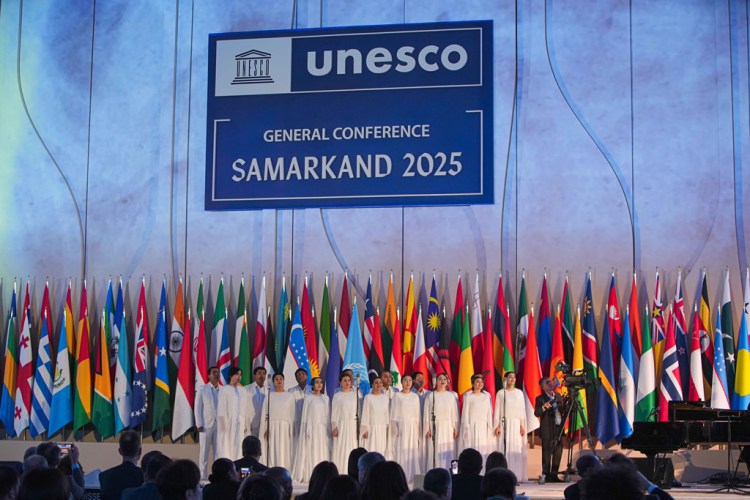
On October 28, 2025, UNESCO announced that Audrey Azoulay appointed four distinguished international personalities as new Goodwill Ambassadors, tasked with advancing UNESCO’s mission in education, culture, heritage, and innovation.
Gael García Bernal (Mexico) – Actor, director, and producer; appointed as a Goodwill Ambassador for Culture and Arts Education. He co-founded the documentary film initiative “Ambulante” and is deeply committed to using culture as a tool for social transformation.
Sheikha Bodour bint Sultan Al Qasimi (UAE) – University president and publisher; designated as a Goodwill Ambassador for Education and Book Culture. She leads initiatives that promote reading, publishing, and youth innovation, particularly in her home emirate of Sharjah.
Ibrahim Magassa (Côte d’Ivoire) – Banker and philanthropist with experience in financing strategic projects across Africa; named Goodwill Ambassador for UNESCO’s “Global Priority Africa” segment. His personal journey includes participation in UNESCO’s educational programs.
Costantza Sbokou‑Constantakopoulou (Greece) – Architect and entrepreneur, and an advocate for Mediterranean cultural heritage; appointed as a Goodwill Ambassador for the Protection and Promotion of Culture.
Why This Matters
In Azoulay’s words:
“These individuals embody the diversity of talents and backgrounds that enrich UNESCO’s work. Through their influence, creativity, and commitment, these Goodwill Ambassadors will help convey the Organization’s messages within civil society – among youth, innovators, researchers, artists, businesses, and all those shaping the world of tomorrow.”
This initiative demonstrates UNESCO’s strategy to expand its influence by collaborating with influential figures whose work encompasses education, culture, innovation, and social entrepreneurship. It reaffirms UNESCO’s core mission: to use culture and knowledge as tools for promoting peace, inclusion, and sustainable development.
What to Watch For
Each ambassador has a specific thematic focus area, such as arts education, book culture and literacy, Africa-youth innovation, and heritage protection, suggesting targeted initiatives in these domains.
Their global profiles and networks can help UNESCO reach new audiences, including youth, creative sectors, and private and philanthropic organizations.
The appointment highlights UNESCO’s commitment to promoting a diversity of voices from different continents, sectors, and perspectives.
For stakeholders in India and beyond, this presents opportunities for potential partnerships or programs that connect the ambassadors’ areas of expertise with UNESCO’s ongoing efforts at local and regional levels.
Conclusion
This announcement goes beyond a mere ceremonial gesture. By selecting four activist leaders from various sectors, UNESCO is enhancing its global influence through individuals who genuinely embody its values. For those of us interested in culture, education, and development, this presents opportunities for exciting collaborations, innovative campaigns, and new narratives that highlight global impact.
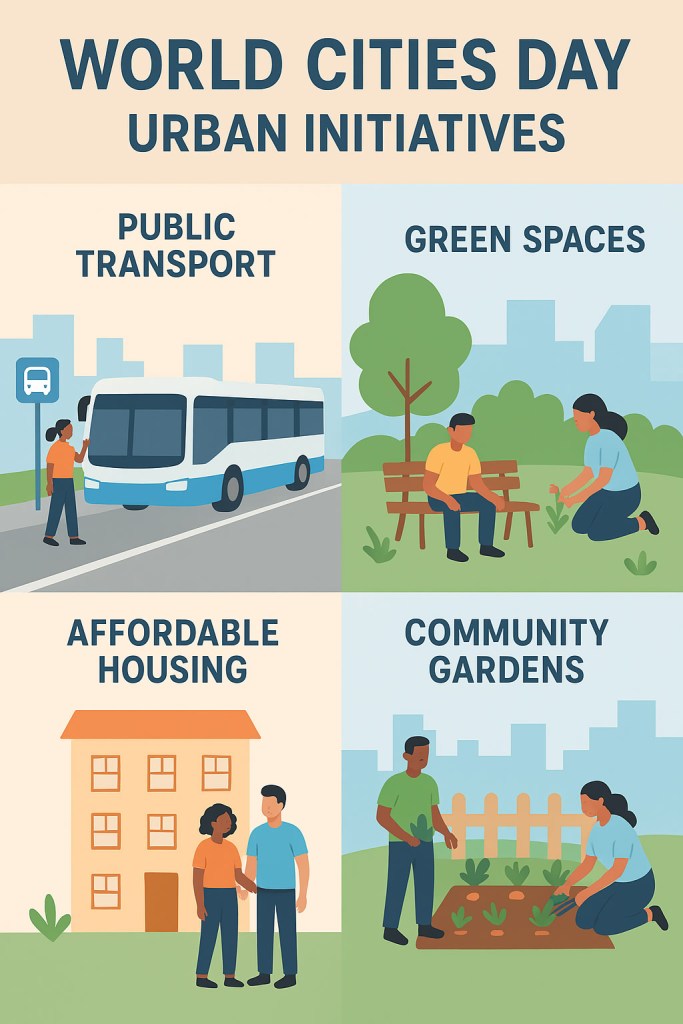
World Cities Day 2025: Building People-Centred Smart Cities
Every year on October 31, people around the world celebrate World Cities Day. This observance was established by the United Nations General Assembly in 2013 (Resolution A/RES/68/239). World Cities Day marks the conclusion of Urban October, a month dedicated to raising awareness about sustainable urban development and promoting dialogue on the future of cities.
In 2025, the theme is “People-Centred Smart Cities.” This theme highlights an important concept: although technology has the potential to transform urban life, the primary goal of innovation should be to enhance the lives of people. It’s not just about making cities more digital; it’s about making them more human.
Why Cities Matter
Cities are the heartbeat of our modern world. Currently, over 55 percent of the global population resides in urban areas, and this figure is projected to increase to nearly 70 percent by 2050. While rapid urbanization presents opportunities for economic growth, creativity, and cultural exchange, it also brings significant challenges.
Many cities are facing challenges such as inadequate housing, pollution, traffic congestion, rising inequality, and the effects of climate change. The purpose of World Cities Day is to encourage collaboration among governments, communities, and citizens to create urban spaces that are inclusive, safe, resilient, and sustainable, aligning with Sustainable Development Goal 11 (SDG 11).
2025 Theme: People-Centred Smart Cities
The idea of a “smart city” typically conjures images of sensors, data networks, and AI-driven systems. However, the 2025 theme offers a fresh perspective. “People-centered smart cities” focus on leveraging innovation with citizens at the core—ensuring that technology serves the needs of people, rather than the other way around.
A brilliant city:
Improves access to public services through digital inclusion.
Uses data to plan sustainable transport and reduce carbon emissions.
Ensures equitable access to affordable housing, healthcare, and green spaces.
Builds systems that are transparent, participatory, and responsive to citizens’ needs.
In summary, a people-centered approach harmonizes smart infrastructure with human values such as equity, empathy, and community engagement.
The Global Urban Picture
Cities around the world are implementing innovative and sustainable models. For example, Copenhagen is using renewable energy for its public transit, while Seoul is focusing on citizen-driven urban planning. In India, the Smart Cities Mission is driving urban innovation in over 100 cities, with a focus on projects related to digital governance, mobility, waste management, and water conservation.
However, technology alone cannot resolve urban challenges. To make cities truly livable, we must also address social and environmental issues. This includes reducing inequality, strengthening public health, improving air quality, and ensuring that urban growth does not come at the expense of nature.
How We Can Contribute
Everyone has a role in shaping the cities of the future:
Local governments should invest in data-driven and inclusive urban planning.
Businesses and innovators can develop affordable and sustainable technology solutions.
Universities and researchers can examine how digital systems impact human well-being.
Citizens can engage in community projects, promote public transport, and hold decision-makers accountable.
Small local actions—such as planting trees, reducing waste, and using shared transportation—can collectively lead to significant change when adopted by many.
A Vision for Tomorrow’s Cities
Imagine a city where clean energy powers every home, cycling and walking paths connect every neighborhood, digital services are accessible to all citizens, and public spaces bring people together rather than dividing them.
This is the essence of World Cities Day 2025—a reminder that smart cities are not just about data and devices, but about people, participation, and purpose.
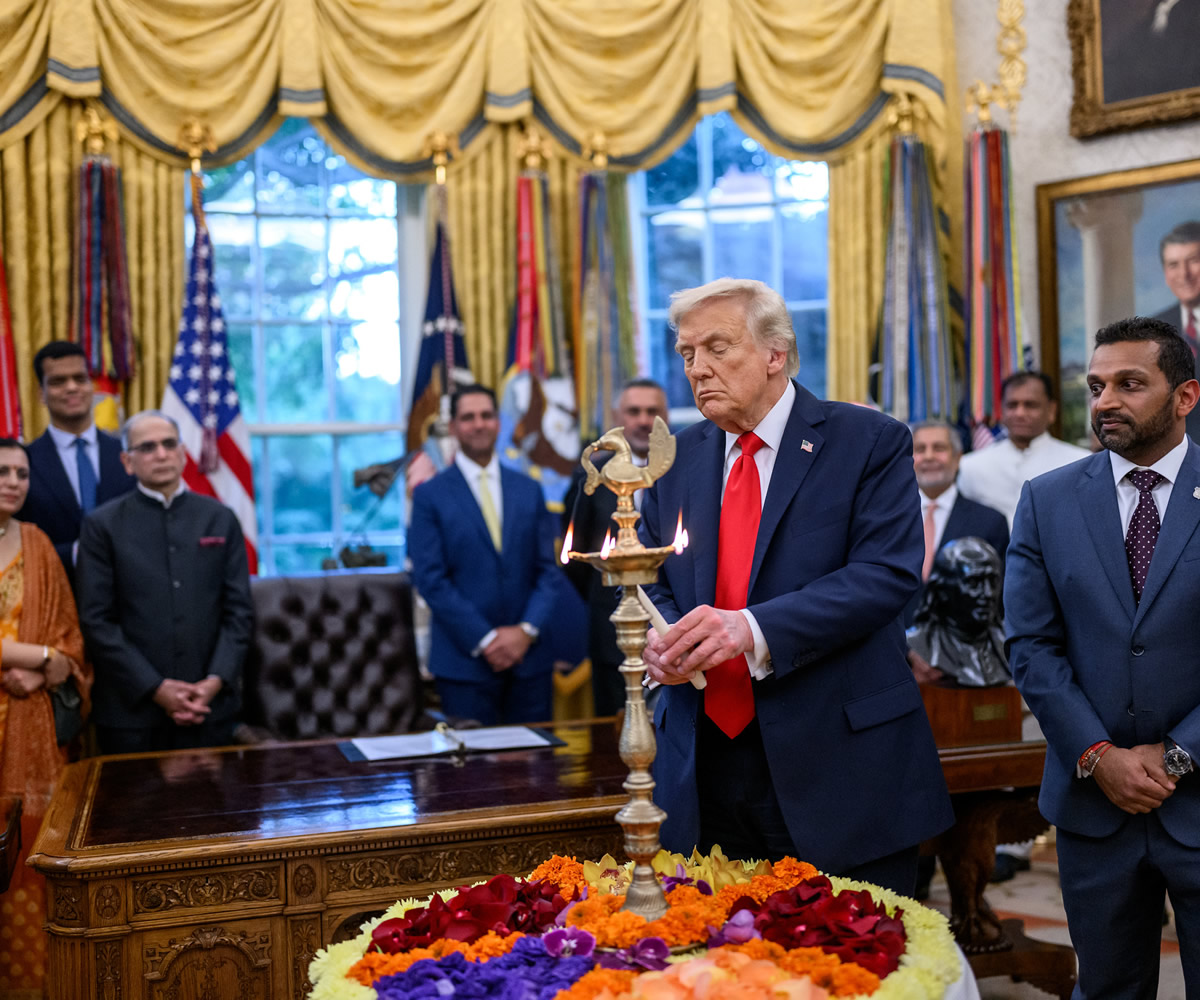
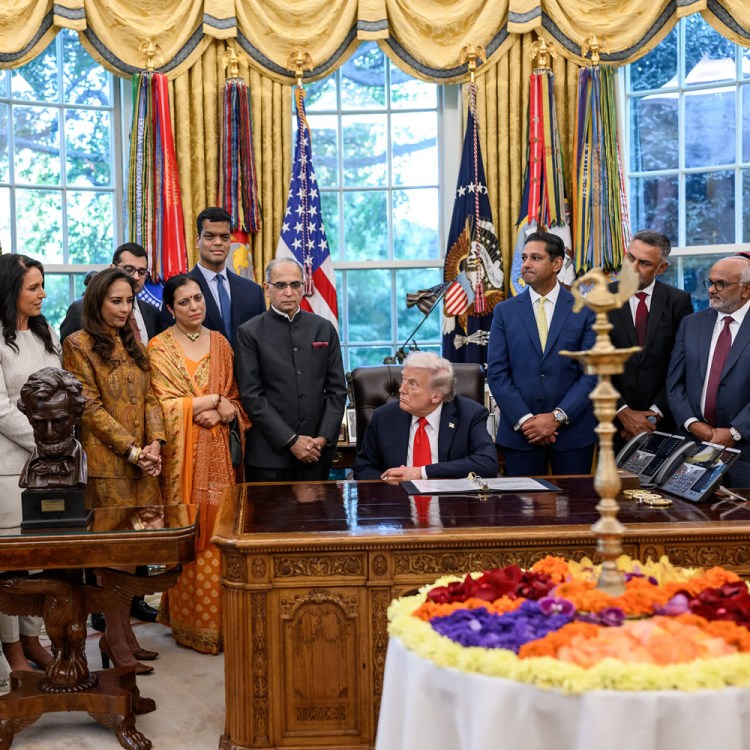
Photos: President Donald Trump participates in a Diwali celebration, Tuesday, October 21, 2025, in the Oval Office. (Official White House Photo by Molly Riley).
Presidential Message on Diwali
The White House
October 20, 2025
Today, I send my best wishes to every American celebrating Diwali—the “Festival of Lights.”
For many Americans, Diwali is a timeless reminder of light’s victory over darkness. It is also a time to bring families and friends together to celebrate community, draw strength from hope, and embrace a lasting spirit of renewal. As millions of citizens light diyas and lanterns, we rejoice in the eternal truth that good will always triumph over evil.
To every American celebrating Diwali, may this observance bring abiding serenity, prosperity, hope, and peace.
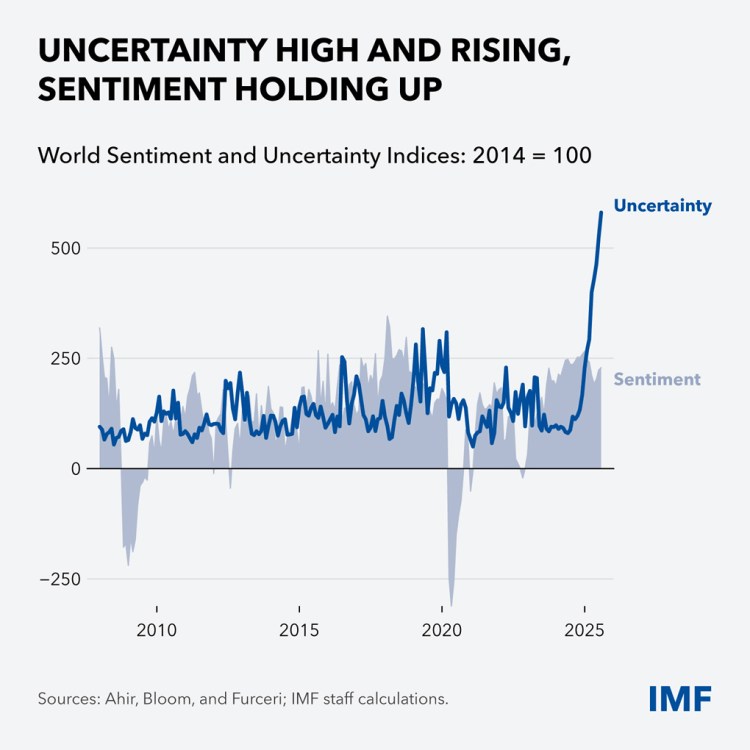
Building Resilience in an Uncertain World: IMF Managing Director Kristalina Georgieva at the 2025 IMF & World Bank Annual Meetings
Washington, DC, October 21, 2025 — On October 17, 2025, IMF Managing Director Kristalina Georgieva delivered her speech at the Annual Meetings Plenary.
In an era increasingly characterized by unpredictable fluctuations, the leading official of the International Monetary Fund (IMF) called upon nations to prepare, adapt, and advance.
“I would like to convey today the collective insights of the IMF’s skilled and dedicated team, which represents 172 countries,” she stated as she commenced her address.
Opening Remarks
Kristalina Georgieva began her address with warmth and optimism, acknowledging the contributions of global leaders and partners. She highlighted Cabo Verde’s cultural and sporting achievements, establishing a tone of unity and shared purpose. Her message emphasized that, despite global uncertainty, collaboration remains our greatest asset.
Global Economic Landscape
Georgieva provided a straightforward overview of the global economy:
Geopolitical tensions and climate-related challenges are putting resilience to the test.
Inflation and debt vulnerabilities continue to pose problems.
Economic recovery is uneven across different regions and income groups.
She maintained a tone that balanced realism with determination, urging nations to tackle these challenges directly.
Resilience as a Strategic Imperative
Georgieva emphasized that resilience is more than just endurance; it encompasses transformation. She defined it through three key pillars: economic adaptability, institutional strength, and social cohesion. Her call to action is to invest in fiscal discipline, promote inclusive growth, and implement climate-smart policies.
IMF’s Role in a Changing World
The IMF is evolving to meet new demands. Georgieva emphasized the following points:
Development of lending programs tailored to emerging risks
Capacity development for member nations
Introduction of new initiatives to strengthen global financial safety nets
She reiterated the IMF’s commitment to supporting vulnerable economies with agility and foresight.
Digital Transformation and Innovation
Georgieva advocated for responsible digital finance, emphasizing:
The adoption of fintech with stringent regulations
The use of digital tools to promote financial inclusion
The need for vigilance against digital divides and cyber risks
Her message is that innovation must be inclusive and secure.
Climate Action and Sustainability
Climate resilience became a central focus. Georgieva emphasized the need for:
Investment in green infrastructure
Expansion of climate financing
Integration of climate risk into macroeconomic analysis
She positioned the IMF as a crucial player in global climate response.
Multilateralism and Global Cooperation
Georgieva’s speech reaffirmed the IMF’s commitment to multilateralism. She urged the following:
Coordinated action among governments and central banks
Strengthening of international institutions
Solidarity in addressing global challenges
Her vision is for a world united by shared responsibility and mutual support.
Closing Vision
In her concluding remarks, Georgieva conveyed a message of hope:
“Resilience is not merely survival—it is transformation.”
She envisioned a future founded on principles of solidarity, innovation, and sustainable growth. Her address functioned as a clarion call for courageous, collective action in the face of uncertainty.

















 Surender Hastir