Influential Figures Join UNESCO as Goodwill Ambassadors

UNESCO Welcomes Four New Goodwill Ambassadors

On October 28, 2025, UNESCO announced that Audrey Azoulay appointed four distinguished international personalities as new Goodwill Ambassadors, tasked with advancing UNESCO’s mission in education, culture, heritage, and innovation.


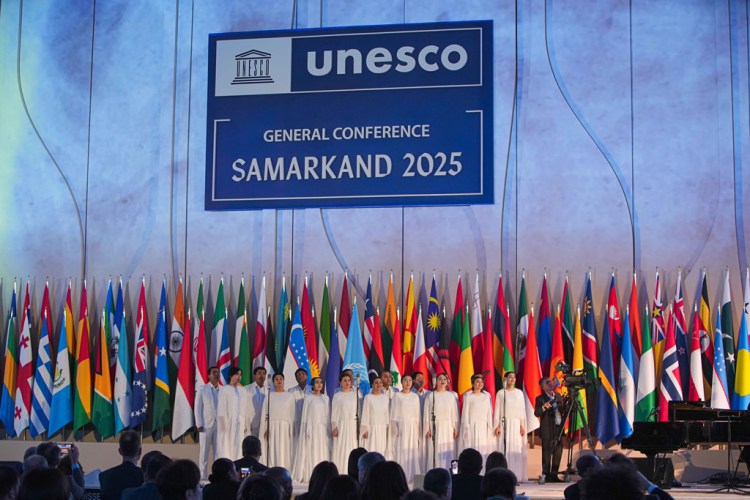
A choir of performers in white outfits singing on stage at the UNESCO General Conference in Samarkand 2025, with a backdrop of flags from various countries and a large UNESCO banner.
Opening ceremony of the 43rd session of the UNESCO General Conference. October 30, 2025. Image provided by & copyright © UNESCO/Firuz Tashpulatov.
A female and a male violinist performing together on stage, with international flags displayed in the background.
Opening ceremony of the 43rd session of the UNESCO General Conference. October 30, 2025. Image provided by & copyright © UNESCO/Firuz Tashpulatov.

Meet the Appointees

  • Gael García Bernal (Mexico)Actor, director, and producer; appointed as a Goodwill Ambassador for Culture and Arts Education. He co-founded the documentary film initiative “Ambulante” and is deeply committed to using culture as a tool for social transformation.
  • Sheikha Bodour bint Sultan Al Qasimi (UAE)University president and publisher; designated as a Goodwill Ambassador for Education and Book Culture. She leads initiatives that promote reading, publishing, and youth innovation, particularly in her home emirate of Sharjah.
  • Ibrahim Magassa (Côte d’Ivoire)Banker and philanthropist with experience in financing strategic projects across Africa; named Goodwill Ambassador for UNESCO’s “Global Priority Africa” segment. His personal journey includes participation in UNESCO’s educational programs.
  • Costantza Sbokou‑Constantakopoulou (Greece)Architect and entrepreneur, and an advocate for Mediterranean cultural heritage; appointed as a Goodwill Ambassador for the Protection and Promotion of Culture.

Why This Matters


In Azoulay’s words:

“These individuals embody the diversity of talents and backgrounds that enrich UNESCO’s work. Through their influence, creativity, and commitment, these Goodwill Ambassadors will help convey the Organization’s messages within civil society – among youth, innovators, researchers, artists, businesses, and all those shaping the world of tomorrow.”

This initiative demonstrates UNESCO’s strategy to expand its influence by collaborating with influential figures whose work encompasses education, culture, innovation, and social entrepreneurship. It reaffirms UNESCO’s core mission: to use culture and knowledge as tools for promoting peace, inclusion, and sustainable development.


What to Watch For

  • Each ambassador has a specific thematic focus area, such as arts education, book culture and literacy, Africa-youth innovation, and heritage protection, suggesting targeted initiatives in these domains.
  • Their global profiles and networks can help UNESCO reach new audiences, including youth, creative sectors, and private and philanthropic organizations.
  • The appointment highlights UNESCO’s commitment to promoting a diversity of voices from different continents, sectors, and perspectives.
  • For stakeholders in India and beyond, this presents opportunities for potential partnerships or programs that connect the ambassadors’ areas of expertise with UNESCO’s ongoing efforts at local and regional levels.

Conclusion

This announcement goes beyond a mere ceremonial gesture. By selecting four activist leaders from various sectors, UNESCO is enhancing its global influence through individuals who genuinely embody its values. For those of us interested in culture, education, and development, this presents opportunities for exciting collaborations, innovative campaigns, and new narratives that highlight global impact.


Source: UNESCO

The Future of Urban Living: People-Centered Smart Cities 2025

World Cities Day 2025: Building People-Centred Smart Cities

Illustration for World Cities Day featuring two pedestrians, one riding a bicycle, a bus, buildings, a smartphone with a location icon, and a wind turbine, emphasizing the theme 'People-centred Smart Cities'.

Every year on October 31, people around the world celebrate World Cities Day. This observance was established by the United Nations General Assembly in 2013 (Resolution A/RES/68/239). World Cities Day marks the conclusion of Urban October, a month dedicated to raising awareness about sustainable urban development and promoting dialogue on the future of cities.

In 2025, the theme is “People-Centred Smart Cities.” This theme highlights an important concept: although technology has the potential to transform urban life, the primary goal of innovation should be to enhance the lives of people. It’s not just about making cities more digital; it’s about making them more human.


Why Cities Matter

Cities are the heartbeat of our modern world. Currently, over 55 percent of the global population resides in urban areas, and this figure is projected to increase to nearly 70 percent by 2050. While rapid urbanization presents opportunities for economic growth, creativity, and cultural exchange, it also brings significant challenges.

Many cities are facing challenges such as inadequate housing, pollution, traffic congestion, rising inequality, and the effects of climate change. The purpose of World Cities Day is to encourage collaboration among governments, communities, and citizens to create urban spaces that are inclusive, safe, resilient, and sustainable, aligning with Sustainable Development Goal 11 (SDG 11).


A vibrant urban scene with people walking in a modern city plaza surrounded by skyscrapers, green spaces, and public transport, highlighting a people-centred smart city environment.

2025 Theme: People-Centred Smart Cities

The idea of a “smart city” typically conjures images of sensors, data networks, and AI-driven systems. However, the 2025 theme offers a fresh perspective. “People-centered smart cities” focus on leveraging innovation with citizens at the core—ensuring that technology serves the needs of people, rather than the other way around.

A brilliant city:

  • Improves access to public services through digital inclusion.
  • Uses data to plan sustainable transport and reduce carbon emissions.
  • Ensures equitable access to affordable housing, healthcare, and green spaces.
  • Builds systems that are transparent, participatory, and responsive to citizens’ needs.

In summary, a people-centered approach harmonizes smart infrastructure with human values such as equity, empathy, and community engagement.


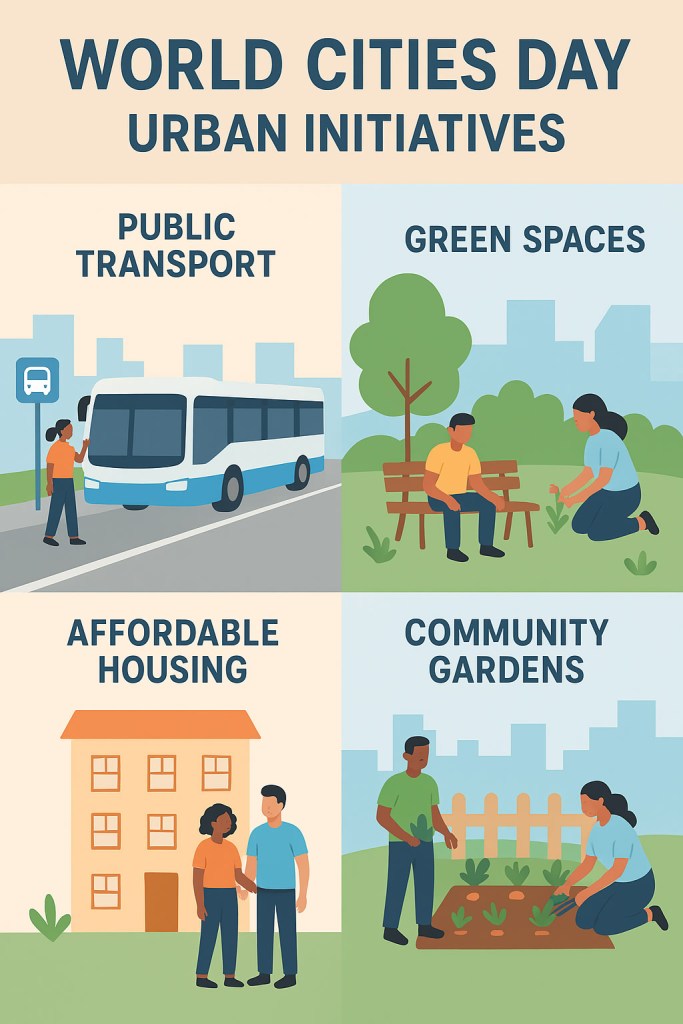
An infographic illustrating urban initiatives for World Cities Day, featuring sections on public transport, green spaces, affordable housing, and community gardens, with relevant icons and illustrations.

The Global Urban Picture

Cities around the world are implementing innovative and sustainable models. For example, Copenhagen is using renewable energy for its public transit, while Seoul is focusing on citizen-driven urban planning. In India, the Smart Cities Mission is driving urban innovation in over 100 cities, with a focus on projects related to digital governance, mobility, waste management, and water conservation.

However, technology alone cannot resolve urban challenges. To make cities truly livable, we must also address social and environmental issues. This includes reducing inequality, strengthening public health, improving air quality, and ensuring that urban growth does not come at the expense of nature.


How We Can Contribute

Everyone has a role in shaping the cities of the future:

  • Local governments should invest in data-driven and inclusive urban planning.
  • Businesses and innovators can develop affordable and sustainable technology solutions.
  • Universities and researchers can examine how digital systems impact human well-being.
  • Citizens can engage in community projects, promote public transport, and hold decision-makers accountable.

Small local actions—such as planting trees, reducing waste, and using shared transportation—can collectively lead to significant change when adopted by many.


A Vision for Tomorrow’s Cities

Imagine a city where clean energy powers every home, cycling and walking paths connect every neighborhood, digital services are accessible to all citizens, and public spaces bring people together rather than dividing them.

This is the essence of World Cities Day 2025—a reminder that smart cities are not just about data and devices, but about people, participation, and purpose.


Celebrating Diwali at the White House 2025

The White House Diwali

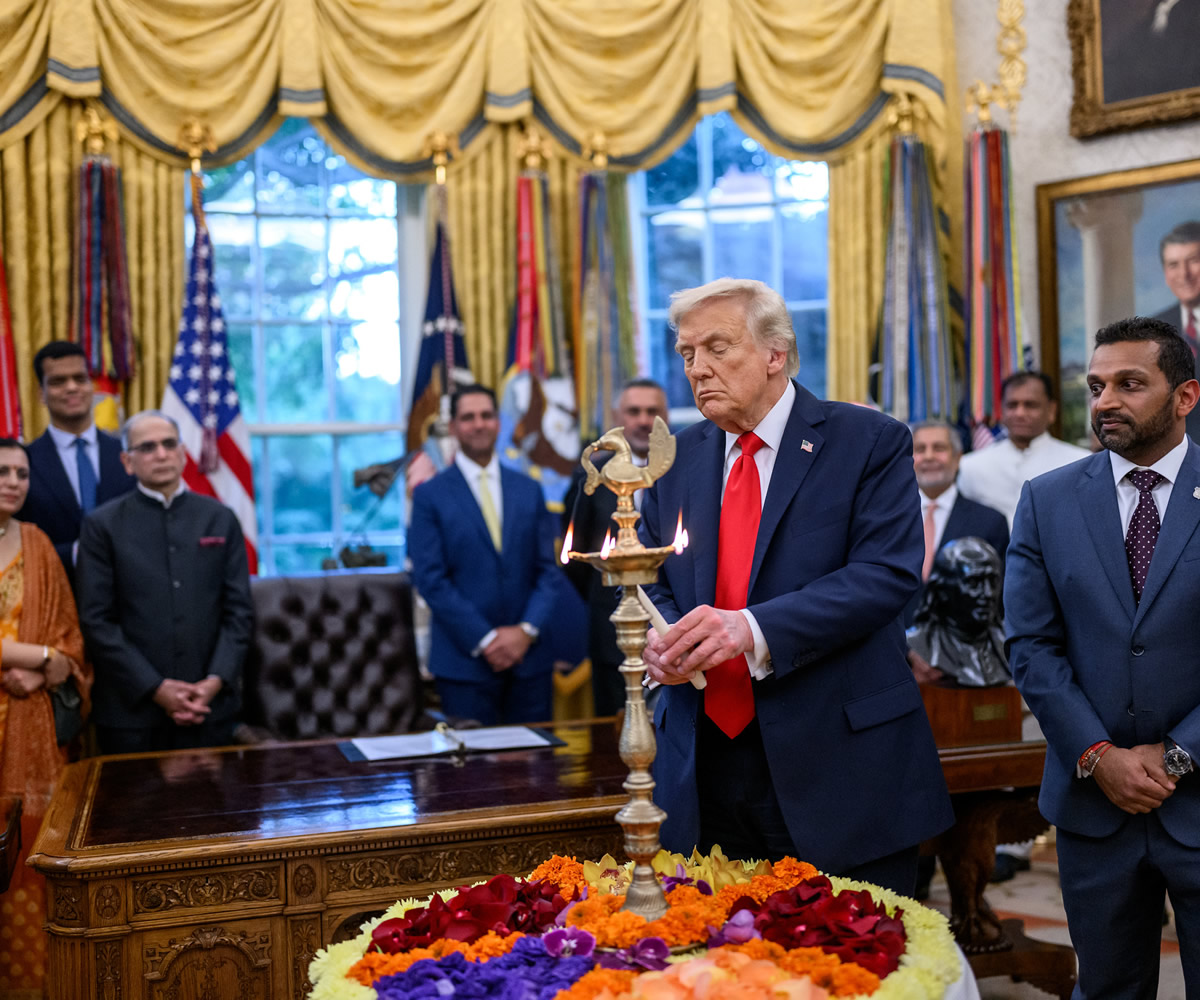
President Donald Trump participating in a Diwali celebration in the Oval Office, surrounded by attendees while a man lights a ceremonial lamp.
President Donald Trump participates in a Diwali celebration in the Oval Office with several attendees, including individuals in traditional attire and decorations including a floral arrangement.
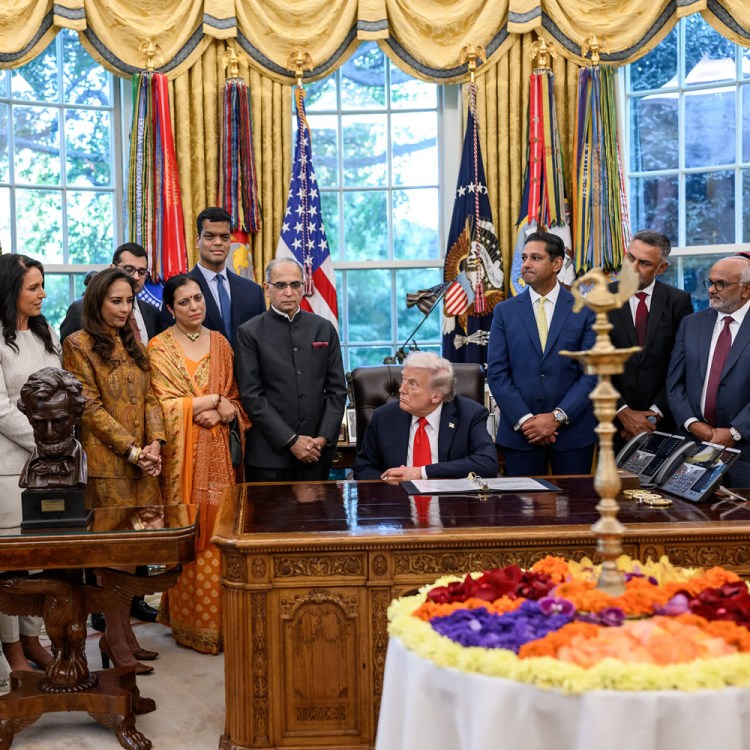
President Donald Trump participating in a Diwali celebration in the Oval Office, surrounded by guests and decorated with a traditional floral arrangement.

Photos: President Donald Trump participates in a Diwali celebration, Tuesday, October 21, 2025, in the Oval Office. (Official White House Photo by Molly Riley).


Presidential Message on Diwali


The White House


October 20, 2025


Today, I send my best wishes to every American celebrating Diwali—the “Festival of Lights.”

For many Americans, Diwali is a timeless reminder of light’s victory over darkness. It is also a time to bring families and friends together to celebrate community, draw strength from hope, and embrace a lasting spirit of renewal. As millions of citizens light diyas and lanterns, we rejoice in the eternal truth that good will always triumph over evil.

To every American celebrating Diwali, may this observance bring abiding serenity, prosperity, hope, and peace.

Source: The White House


IMF’s Vision for a Transformative Future Amid Uncertainty

Building Resilience in an Uncertain World: IMF Managing Director Kristalina Georgieva at the 2025 IMF & World Bank Annual Meetings

Washington, DC, October 21, 2025 — On October 17, 2025, IMF Managing Director Kristalina Georgieva delivered her speech at the Annual Meetings Plenary.

In an era increasingly characterized by unpredictable fluctuations, the leading official of the International Monetary Fund (IMF) called upon nations to prepare, adapt, and advance.

“I would like to convey today the collective insights of the IMF’s skilled and dedicated team, which represents 172 countries,” she stated as she commenced her address.

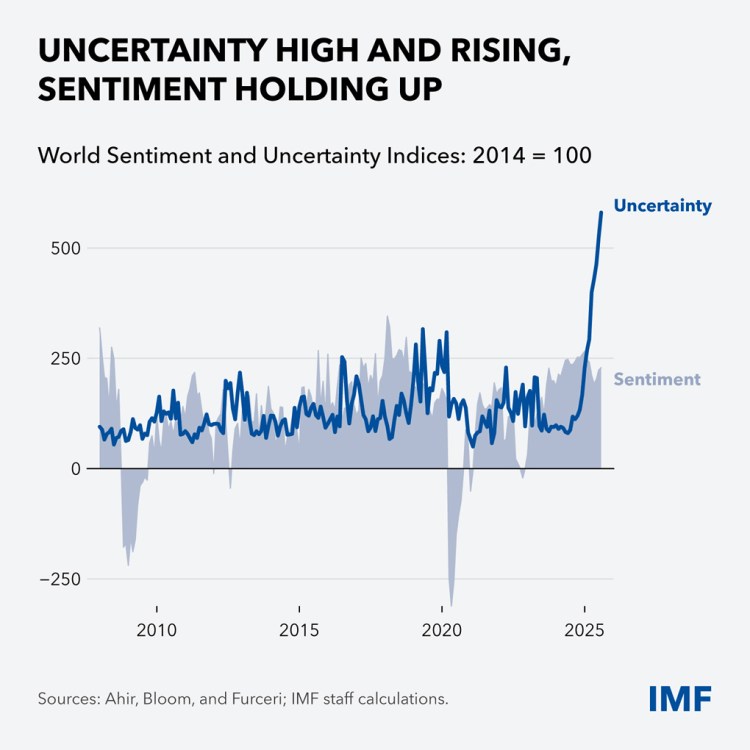
A chart depicting the World Sentiment and Uncertainty Indices from 2014 to 2025, showing high and rising uncertainty alongside stable sentiment.

Opening Remarks

Kristalina Georgieva began her address with warmth and optimism, acknowledging the contributions of global leaders and partners. She highlighted Cabo Verde’s cultural and sporting achievements, establishing a tone of unity and shared purpose. Her message emphasized that, despite global uncertainty, collaboration remains our greatest asset.

Graphic summarizing key themes from Kristalina Georgieva's speech at the 2025 IMF Annual Meetings, highlighting resilience in an uncertain economic landscape.

Global Economic Landscape

Georgieva provided a straightforward overview of the global economy:

  • Geopolitical tensions and climate-related challenges are putting resilience to the test.
  • Inflation and debt vulnerabilities continue to pose problems.
  • Economic recovery is uneven across different regions and income groups.

She maintained a tone that balanced realism with determination, urging nations to tackle these challenges directly.

Resilience as a Strategic Imperative

Georgieva emphasized that resilience is more than just endurance; it encompasses transformation. She defined it through three key pillars: economic adaptability, institutional strength, and social cohesion. Her call to action is to invest in fiscal discipline, promote inclusive growth, and implement climate-smart policies.

IMF’s Role in a Changing World

The IMF is evolving to meet new demands. Georgieva emphasized the following points:

  • Development of lending programs tailored to emerging risks
  • Capacity development for member nations
  • Introduction of new initiatives to strengthen global financial safety nets

She reiterated the IMF’s commitment to supporting vulnerable economies with agility and foresight.

Digital Transformation and Innovation

Georgieva advocated for responsible digital finance, emphasizing:

  • The adoption of fintech with stringent regulations
  • The use of digital tools to promote financial inclusion
  • The need for vigilance against digital divides and cyber risks

Her message is that innovation must be inclusive and secure.

A bar graph illustrating US private sector investment in AI compared to other countries, showing the US as the highest investor, with China and the UK following. The graph includes visual indicators for each country.

Climate Action and Sustainability

Climate resilience became a central focus. Georgieva emphasized the need for:

  • Investment in green infrastructure
  • Expansion of climate financing
  • Integration of climate risk into macroeconomic analysis

She positioned the IMF as a crucial player in global climate response.

Multilateralism and Global Cooperation

Georgieva’s speech reaffirmed the IMF’s commitment to multilateralism. She urged the following:

  • Coordinated action among governments and central banks
  • Strengthening of international institutions
  • Solidarity in addressing global challenges

Her vision is for a world united by shared responsibility and mutual support.

Closing Vision

In her concluding remarks, Georgieva conveyed a message of hope:

“Resilience is not merely survival—it is transformation.”

She envisioned a future founded on principles of solidarity, innovation, and sustainable growth. Her address functioned as a clarion call for courageous, collective action in the face of uncertainty.


Source: IMF

RBI Governor Highlights India’s Stability Amid Global Uncertainty

RBI Governor Sanjay Malhotra at the IMF Annual Meetings: India’s Resilient Position in an Uncertain World

When central bankers and finance ministers gather in Washington, D.C., each October for the Annual Meetings of the International Monetary Fund (IMF) and the World Bank, the world pays close attention. These meetings involve more than just charts, forecasts, and press releases; they focus on how leaders communicate their nations’ positions within a changing global landscape.

On October 15, 2025, India’s Reserve Bank Governor, Sanjay Malhotra, took the stage at the IMF’s flagship “Governor Talks” session. This format is designed to spotlight global policymakers, encouraging open exchanges with IMF economists, investors, and the media. Malhotra’s discussion, moderated by Krishna Srinivasan, the Director of the IMF’s Asia and Pacific Department, was both a show of confidence and a candid assessment of the risks facing emerging markets.

An audience at the IMF's 'Governor Talks' session, featuring two speakers discussing monetary and financial policies for emerging markets on stage, with a backdrop displaying the session title and an image of an Indian government building.
RBI Governor Sanjay Malhotra speaking at the IMF Annual Meetings, emphasizing India's resilient economy amidst global uncertainties.

Framing India’s Story

Governor Malhotra began by placing India within the current macroeconomic climate. His central message was clear: while global uncertainties are increasing, India remains resilient due to its strong domestic fundamentals.

“India is primarily a domestically driven economy,” he stated in response to inquiries about trade tensions and the new wave of U.S. tariffs on imports. “We are affected, but it’s not a major concern.”

It was not mere bravado but a strategic approach. By highlighting the strength of internal demand, Malhotra aimed to reassure both foreign investors and domestic stakeholders that India’s growth story remains robust, even in the face of intensifying global challenges.


Trade Tensions and Global Risks

This year’s IMF meetings have been overshadowed by significant policy changes, including tariffs in advanced economies, increasing debt risks, and a persistent fragility in financial markets. Malhotra acknowledged these challenges, noting that emerging economies like India must continuously “factor in unprecedented uncertainties.”

However, he emphasized stability rather than vulnerability. India, he argued, is in a stronger position than many other countries due to strong growth fundamentals and diversified reserves.

This calm and measured perspective stood out in contrast to the concerns raised by several other governors, particularly those from nations experiencing currency instability or debt distress.


The Rupee Question

The topic of the Indian rupee inevitably arose. With exchange rates being closely monitored worldwide, Governor Malhotra made it clear:

“The Reserve Bank of India does not target a specific level for the rupee. Our goal is to reduce excessive volatility and ensure an orderly movement of the currency.”

This statement will be carefully analyzed in global markets. It reinforces the RBI’s long-standing principle of “managed flexibility”—intervening when there are disruptive fluctuations, but avoiding a strict defense of any particular rate. For international investors, this signals policy pragmatism rather than dogmatism.

Gold, Reserves, and Financial Stability

A key point of discussion was the role of gold in central bank reserves, particularly in light of the recent increase in gold accumulation by various economies. Malhotra mentioned that India’s reserves remain well-diversified. While the rise in gold prices has contributed to the reserves, it is not considered a systemic concern.

This response highlights the Reserve Bank of India’s (RBI) cautious yet steady approach to reserve management. By avoiding overreliance on any single asset, India aims to project stability and resilience in a world where financial markets are becoming increasingly volatile.


Why This Matters

Governor Malhotra’s remarks may not grab headlines due to dramatic revelations, but that is precisely the point. For a central banker, reassurance is often the most potent message. At a time when many emerging markets are vulnerable to global shocks, India’s representative chose to emphasize continuity, resilience, and moderation.

This has three key implications:

  1. For global investors, India remains a relatively safe emerging market option, characterized by predictable policies and strong domestic demand.
  2. For policymakers, Malhotra’s comments strengthen India’s reputation as a country willing to manage risks without panicking over short-term shocks.
  3. For Indian citizens, the message is one of stability: even in a turbulent global economy, the Reserve Bank is committed to safeguarding growth and minimizing volatility.

India on the Global Stage

The significance of the “Governor Talks” platform should not be underestimated. This is where the world’s most influential policymakers explain their choices, defend their positions, and highlight their priorities. By presenting India’s narrative with calm confidence, Malhotra ensured that India’s voice was recognized as a force for stability in a time of global uncertainty.

This also reinforced India’s growing prominence in the international economic landscape. Over the past decade, India has transformed from being viewed as a fragile emerging economy to being recognized as one of the anchors of global growth. Malhotra’s performance in Washington continued this positive narrative.


Looking Ahead

Concrete actions at home must match the commitments made at global meetings. In the coming months, markets will closely monitor:

  • The Reserve Bank’s upcoming decisions from the Monetary Policy Committee will be particularly important in response to inflationary pressures and global interest rate trends.
  • India’s capability to maintain its growth momentum amidst ongoing global trade tensions.
  • The Reserve Bank of India’s management of the rupee is crucial, especially if global capital flows continue to be unstable.

As global financial conditions tighten and geopolitical risks remain elevated, India’s policymakers will need to balance international pressures with domestic priorities carefully.


Conclusion

Governor Sanjay Malhotra’s appearance at the IMF’s “Governor Talks” was not marked by dramatic announcements or significant changes. Instead, it was a carefully crafted display of stability, prudence, and quiet confidence.

In Washington, he portrayed India not as a victim of global volatility, but as a nation charting its own course, grounded in domestic strength and consistent policy management.

At a time when global uncertainties dominate the headlines, this may be the most reassuring message India can convey.

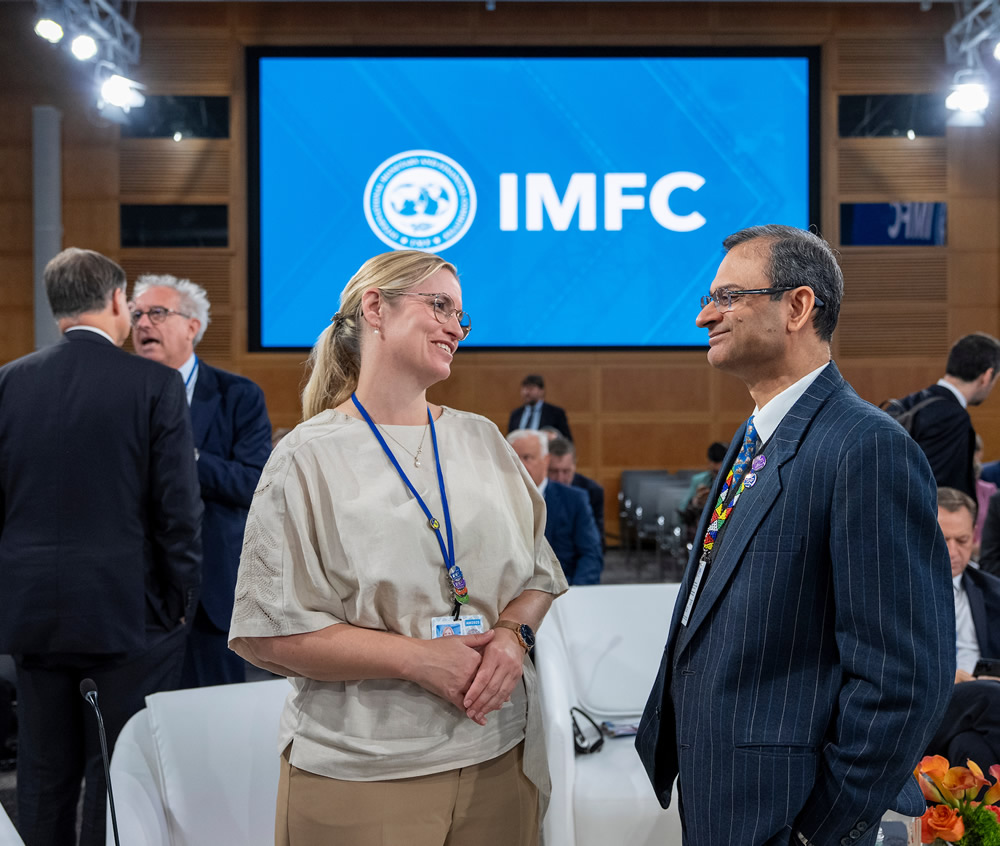
Bank of France Governor François Villeroy de Galhau speaks with Danish Economic Affairs Minister Stephanie Lose and Reserve Bank of India Governor Sanjay Malhotra at the Plenary Session of the 52nd Meeting of the IMFC during the 2025 Annual Meetings of the World Bank Group and International Monetary Fund in Washington, DC, on October 17, 2025. IMF Photo/Tangyu Zhang.
Danish Economic Affairs Minister Stephanie Lose speaks with Reserve Bank of India Governor Sanjay Malhotra at the Plenary Session of the 52nd Meeting of the IMFC during the 2025 Annual Meetings of the World Bank Group and International Monetary Fund in Washington, DC, on October 17, 2025. IMF Photo/Tangyu Zhang
Reserve Bank of India Governor Sanjay Malhotra welcomes Saudi Central Bank International Affairs Director Norah Alyahya and Saudi Central Bank Governor Ayman Mohammed Alsayari to the IMFC Plenary Session during the 2025 Annual Meetings of the World Bank Group and International Monetary Fund in Washington, DC, on October 17, 2025. IMF Photo/Nicholas Karlin
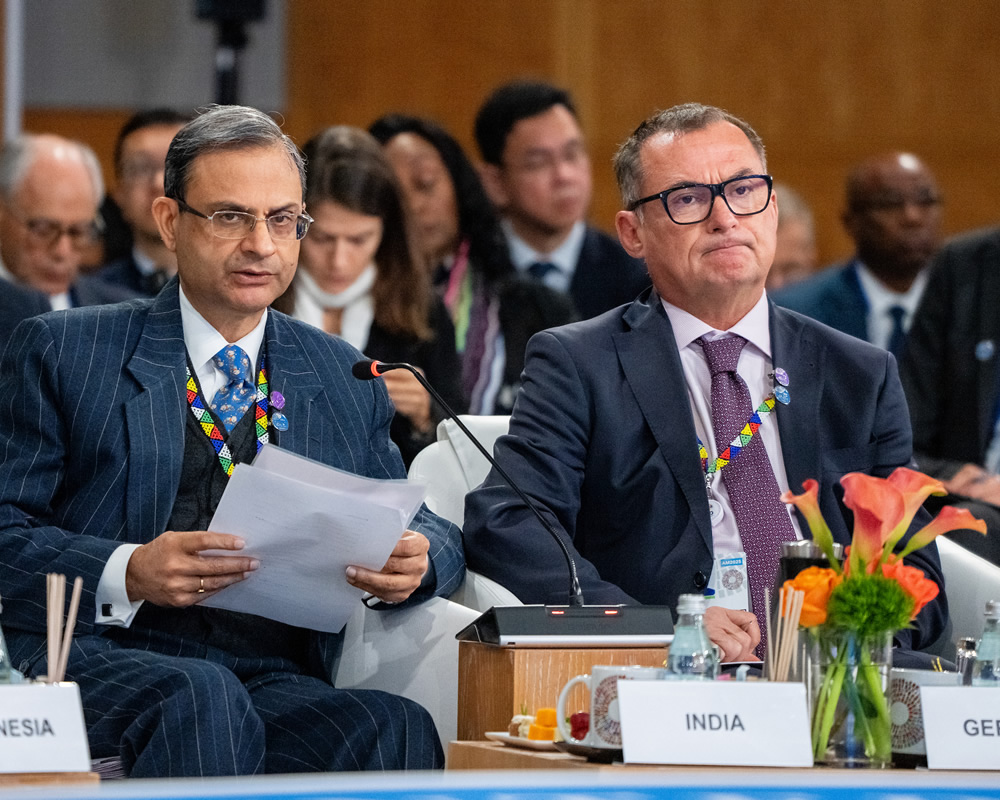
Reserve Bank of India Governor Sanjay Malhotra and Deutsche Bundesbank President Joachim Nagel attend the IMFC Plenary Session during the 2025 Annual Meetings of the World Bank Group and International Monetary Fund in Washington, DC, on October 17, 2025. IMF Photo/Nicholas Karlin,

Oxford: Top University for 10 Consecutive Years

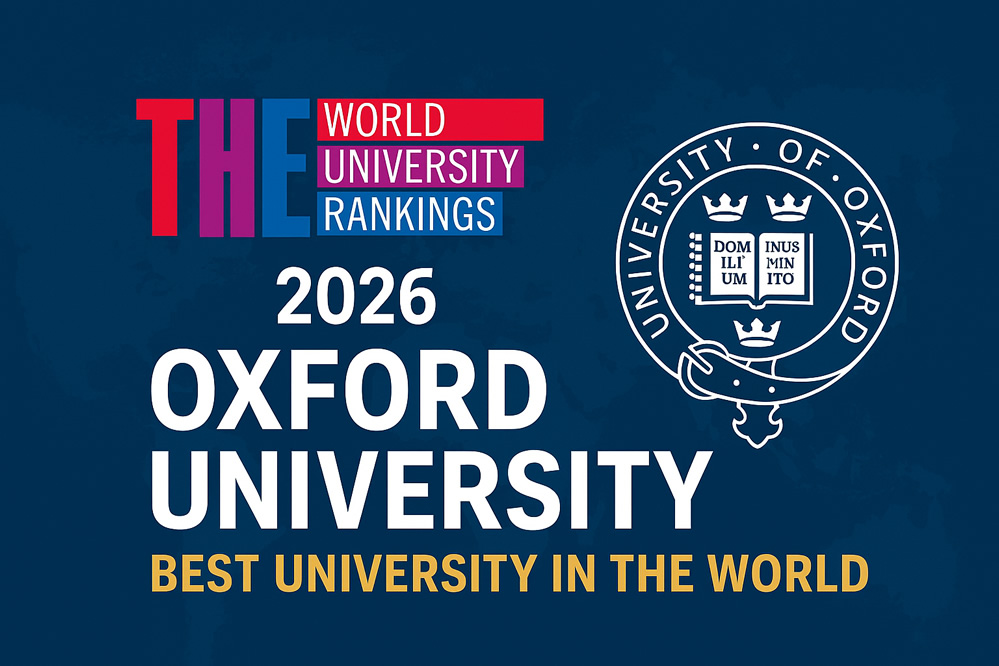
Times Higher Education World University Rankings 2026: Oxford has been named the best university in the world for an unprecedented tenth consecutive year.

London, October 9, 2025 — Oxford University has maintained its position as the world’s top university in the Times Higher Education World University Rankings since 2017. It marks the most extended period any university has held the number one spot in the rankings, which have been published annually for 21 years.

In this year’s edition, a record 2,191 universities from 115 countries were ranked. Alongside Oxford, only Harvard University and the California Institute of Technology (Caltech) have ever achieved the top ranking in the history of these rankings.

“We are honoured that Oxford has been ranked number one globally by Times Higher Education for the tenth year in a row. The THE rankings, rooted in internationally competitive research and teaching excellence, are recognised worldwide as a vigorous and demanding benchmark of university performance. This achievement reflects the dedication of our academics, professional services staff, and students, but it comes at a time of real strain for UK higher education. Sustaining a dynamic and globally competitive sector requires renewed investment and support, so that universities can continue to drive discovery, opportunity, and economic growth for future generations.”


— Professor Irene Tracey, CBE, FRS, FMedSci, Vice-Chancellor, University of Oxford

Phil Baty, THE’s Chief Global Affairs Officer, said: 

“At a time of extraordinarily intense competition in global higher education, research and innovation, it is truly remarkable for the University of Oxford to have maintained its place as the world’s number one university in the rigorous Times Higher Education World University Rankings for ten years in a row. Oxford holds its position at the top of the world against better-funded US institutions and rapidly rising research powerhouses in East Asia, led by China.

“The key to success, is of course strength across the full range of 18 performance metrics deployed by the THE world rankings – which range across the teaching and research environments, research excellence, industry outreach and international outlook – but I think it is Oxford’s resolute international focus and commitment to international talent attraction and cross-boarder knowledge sharing, that really helps it hold on to the top position.”

International Outlook

The process for the Times Higher Education (THE) World Rankings involves extensive research, analyzing nearly 19 million research papers, 1.5 million responses from an Academic Reputation Survey, and comprehensive institutional data from over 3,000 universities around the globe.

These rankings are based on 18 specific metrics that encompass the core missions of global, research-driven universities. These metrics are grouped into five key areas:

  1. Teaching: This includes the learning environment, with teaching reputation being the most heavily weighted factor.
  2. Research Environment: This considers the volume, income, and overall reputation of research.
  3. Research Quality: This metric focuses on citation impact, research strength, research excellence, and research influence.
  4. International Outlook: This area evaluates the diversity of staff, students, and research contributions.
  5. Industry: This includes income generated from industrial engagements and patents obtained.

Oxford performed exceptionally well across all metrics in the ranking, showing a notable strength in its research environment. It includes factors such as academic reputation for research, success in obtaining funding, and overall research productivity. Additionally, Oxford excels in its international outlook, which encompasses international research collaboration and the ability to attract global talent, including both staff and students.

Sources: Times Higher Education; Oxford University

U.S. News Releases Best Colleges Rankings 2026

U.S. News Announces 2026 Best U.S. Colleges Rankings.

Logo of U.S. News & World Report featuring bold text in blue and white with a red underline.

WASHINGTON, September 24, 2025 — U.S. News & World Report, a global authority on education rankings, announced the 2026 Best Colleges rankings today.

The national and regional rankings serve as a guide for prospective students and their families by evaluating nearly 1,700 colleges and universities based on up to 17 measures of academic quality. In a demonstration of ongoing excellence, eight of the top-ranked schools in the ten ranking categories maintained their No. 1 position, while the other two achieved a strong second place.

“For more than four decades, Best Colleges has been a reliable and data-driven resource for students and families navigating the complicated college search process,” says LaMont Jones, Ed.D., managing editor for Education at U.S. News. “Over the years, Best Colleges has evolved into a comprehensive tool that reflects the changing landscape of higher education, offering prospective students a vital starting point to identify schools that align with their academic and personal goals.”

The core methodology and weighting factors remain unchanged this year; however, some underlying data have been adjusted to reflect better evolving admissions considerations, cohort representation, and student involvement.

“While the general scoring weights and factors remained consistent, the 2026 rankings have made a few small adjustments to ensure that the results accurately represent the changing landscape of higher education,” says Jones. “By taking into account students’ credit hours and increasing the minimum number of students required for a cohort, the rankings provide a clearer view of institutional investment in students, as well as graduation and retention rates.”

This edition of the rankings features specialized categories, including the best value schools, the most innovative colleges, the top performers in social mobility, historically Black colleges and universities, and institutions with a strong commitment to undergraduate teaching. Additionally, students can explore programs that enhance the student experience, such as first-year experiences, co-op and internship opportunities, service learning, study abroad programs, and undergraduate research or creative projects.

The methodology for the 2026 Best Colleges rankings is based on up to 17 key measures of academic quality for National Universities and 13 indicators for National Liberal Arts Colleges, Regional Universities, and Regional Colleges. The rankings are calculated using data that is either universally reported by schools or can be obtained from third-party sources. It’s essential to note that a school’s eligibility for ranking does not depend on its participation in U.S. News’ surveys.

2026 Best National Universities – Top 3

Princeton University
Massachusetts Institute of Technology
Harvard University

2026 Best National Liberal Arts Colleges – Top 3

Williams College
Amherst College
United States Naval Academy

2026 Top Public Schools: National Universities – Top 3

University of California, Berkeley
University of California – Los Angeles
University of Michigan – Ann Arbor

2026 Top Historically Black Colleges and Universities – Top 3

Spelman College
Howard University
Morehouse College

2026 Top Performers on Social Mobility: National Universities – Top 3

Florida International University
University of California, Riverside
California State University, Long Beach

2026 Top Schools for Veterans: National Universities – Top 3

University of Chicago
Cornell University
Brown University

2026 Best Regional Universities: North – Top 3

Bentley University
Providence College
Rhode Island School of Design

2026 Best Regional Universities: South – Top 3

Citadel Military College of South Carolina
Rollins College
Appalachian State University

2026 Best Regional Universities: Midwest – Top 3

Butler University
John Carroll University
Milwaukee School of Engineering

2026 Best Regional Universities: West – Top 3

California Polytechnic State University – San Luis Obispo
University of Portland
California State Polytechnic University – Pomona

U.S. News offers a range of educational resources, including the Scholarship Finder tool, which helps potential and current undergraduate students explore financial aid options and access information about over 18,000 scholarships. Additionally, U.S. News has recently launched “Getting In,” a new newsletter aimed at parents that covers the college admissions process. This newsletter provides valuable strategies, insider information, and guidance to help reduce stress.

U.S. News & World Report is the leading source of journalism that helps consumers, citizens, business leaders, and policy officials make informed decisions in all areas of their lives and communities.

Source: U.S. News & World Report, L.P.

UNESCO’s MONDIACULT 2025: A Global Agenda for Culture

MONDIACULT 2025: UNESCO will convene Ministers of Culture from all member states in Barcelona to collaboratively shape future cultural policies.

UNESCO Headquarters, September 22, 2025 — MONDIACULT, UNESCO’s global Conference on cultural policies, will convene cultural actors, partners, and leaders from around the world in Barcelona, Spain, from September 29 to October 1, 2025. The purpose of the Conference is to shape and commit to a global agenda for Culture.

This 2025 edition will address current trends, challenges, and opportunities within the cultural sector, as well as the progress made since the last Conference in 2022, which recognized Culture as a “global public good.” In support of these initiatives, UNESCO will launch its first-ever Global Report on Cultural Policies, which will assess the impact of Culture across all dimensions of development.

MONDIACULT

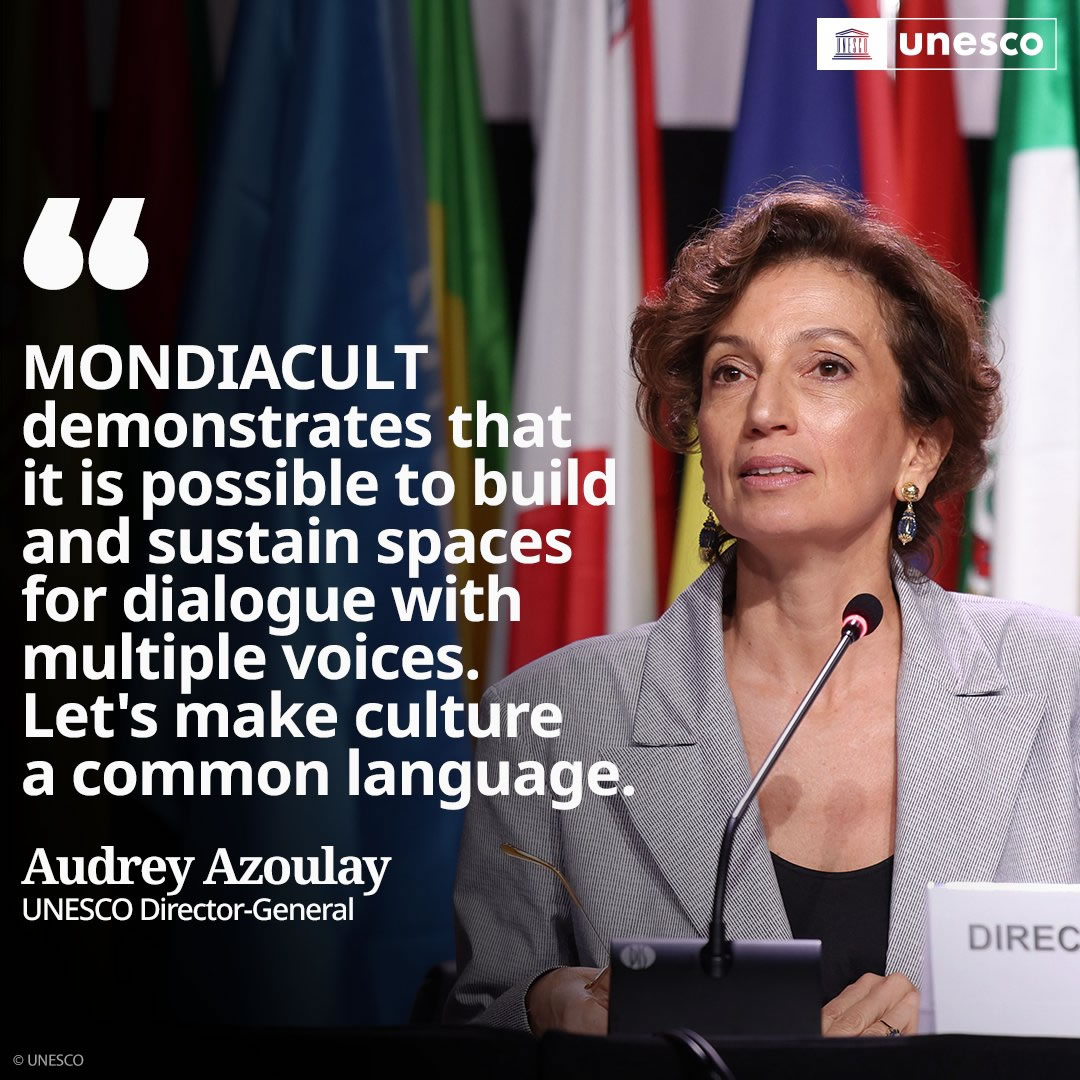
MONDIACULT is the UNESCO World Conference on Cultural Policies and Sustainable Development, held every four years. It serves as the leading global platform for dialogue and cooperation on cultural policies. In 2025, MONDIACULT will be hosted by the Government of Spain in Barcelona, bringing together Ministers of Culture from all UNESCO Member States, alongside representatives from intergovernmental organizations, academia, civil society, youth, cultural professionals, and private sector partners.

Building on the MONDIACULT 2022 Declaration adopted in Mexico City, the 2025 edition reviews progress and shapes collective responses to emerging challenges and opportunities for the cultural and creative sector. The Conference focuses on the six interrelated priority areas of MONDIACULT. In addition, MONDIACULT 2025 addresses two cross-cutting focus areas of growing global relevance: Culture and Artificial Intelligence, as well as Culture and Peace.

At the end of September, UNESCO brings together representatives from its 194 Member States to shape a global roadmap for cultural policies. The event will be opened on Monday, September 29, by Audrey Azoulay, Director-General of UNESCO, and Pedro Sánchez, President of the Government of Spain. Over 100 ministers of Culture and 1,200 participants, including cultural professionals, NGOs, and international organizations, will take part in the debates.

Over the past twenty years, UNESCO has assisted more than 150 countries in developing or enhancing their cultural policies. MONDIACULT 2025 will further strengthen this commitment by supporting nations in creating informed policies and promoting vibrant creative sectors.

The Conference will also provide an opportunity to discuss UNESCO’s recent achievements in utilizing culture as a key driver for development, as well as for crisis response and recovery. Several other pressing issues will be addressed, including the enhancement of the role and contributions of Indigenous Peoples in shaping cultural policies, supporting the sector’s digital transformation—particularly in light of the rapid advancements in artificial intelligence—and the global effort to combat the illicit trafficking of cultural property, which includes the launch of UNESCO’s virtual museum of stolen cultural objects.

At the conclusion of the Conference, Ministers of Culture will adopt an outcome document derived from a comprehensive consultation process, outlining key global policy priorities for the coming years.

Source: UNESCO

UNESCO’s Digital Learning Week: Shaping AI’s Role in Education

UNESCO convenes global leaders during Digital Learning Week 2025 to design inclusive and human-centered futures for AI in education.

Paris, France, September 15, 2025 — UNESCO’s Digital Learning Week 2025, which took place last week in Paris, examined the impact of artificial intelligence on education and its implications for learners, educators, and education systems around the globe. It raises important questions: Do we still need classrooms, teachers, administrators, and textbooks?

The event challenged the standard framing of debates surrounding AI in education, which often presents extreme viewpoints—whether AI will enhance students’ skills or diminish them, empower teachers or replace them, and whether it will save education or threaten its existence. In reality, the situation is much more complex and requires thoughtful policy decisions. The real challenge lies in collectively navigating these complexities.

“AI is creating disruptions in education. It raises human and policy dilemmas and forces us to reflect on the directions we should take. The future of education will be shaped by the policy choices that we make about education investment, about pedagogy, about governance, and about the ethical principles we uphold. For this, strong, decisive leadership is critical.”

— Stefania Giannini, Assistant Director-General for Education at UNESCO.

  • Directions for AI and the future of education

On the first day of Digital Learning Week 2025, UNESCO hosted a private ministerial session that served as a strategic platform for in-depth discussions on national strategies and the leadership required to address shared challenges. These challenges included curriculum reform, teacher training, and the critical need to prioritize the safety of learners.

The dialogue concluded with a shared vision and a strong commitment: the integration of AI in education must be human-centered, equitable, safe, and ethical.

Ministers identified five urgent priorities, from which a set of key directions emerged that set an impactful tone for the leading conference:

  1. Addressing the growing “AI divide”
  2. Ensuring safety and ethics to protect all learners
  3. Safeguarding the irreplaceable role of teachers
  4. Promoting AI that reflects local contexts, languages, and cultures
  5. Advancing global solidarity and establishing shared standards

A lively debate featured over 300 speakers during the event.

Throughout Digital Learning Week, participants attended over 40 sessions featuring more than 300 international speakers, who discussed how AI is transforming curriculum, pedagogy, and assessment practices. Highlights included a public lecture by Emily Bender, a Professor of Linguistics, as well as keynote addresses from Abeba Birhane, founder of the AI Accountability Lab, and computer scientist Nina da Hora.

A recent UNESCO survey on AI in higher education has been released. This survey, conducted among the global network of UNESCO Chairs, revealed that while 90% of respondents are already using AI tools in their professional work, only half feel confident in their understanding of the technological foundations and pedagogical applications of AI. Furthermore, only about 34% reported positive experiences with AI-assisted assessments, indicating a need for more guidance and professional development in this area.

Since 2024, UNESCO has supported 58 countries in designing and improving digital and AI competency frameworks, curricula, and quality-assured training for educators and policymakers. The UNESCO Recommendation on the Ethics of Artificial Intelligence, along with AI competency frameworks for teachers and students, has established a roadmap for a future in education that is ethical, equitable, human-centered, and based on human rights.

Additionally, UNESCO has published the first-ever guidance on the use of generative AI in education and research. This guidance aims to help individuals navigate AI in a critical, creative, and ethical manner.

In her closing remarks, Ms. Giannini affirmed that “together we have committed to shaping a global commons for dialogue and action,” creating a space where we can collectively ensure that AI serves as “a tool for equity, dignity, and the flourishing of all people and our planet.”

Source: UNESCO

IBM Study Reveals AI’s Impact on Sports Fan Engagement

  • IBM Study: Sports Fans Demand More Dynamic Digital Content, Powered by AI
  • Most fans surveyed agree that AI-powered features will have a significant impact on their sports consumption.
  • More than half of the surveyed individuals want AI-driven sports commentary and insights for past, current, and future events.

ARMONK, N.Y., August 30, 2025 — New global research commissioned by IBM reveals that sports fans are turning to more dynamic digital content experiences, with AI, personalization, and real-time features central to their engagement with sports.

The study of more than 20,000 sports fans across 12 countries shows they increasingly view technology – particularly AI — as a positive force in sports. Total AI usage among fans has grown since 2024 across nearly all re-tested markets, with 85% of respondents seeing value in integrating the technology into their sports experience and 63% expressing trust in AI-generated sports content. Surveyed fans identify real-time game/match updates (35%) and personalized content (30%) as their top priorities for AI-enhanced sports engagement.

Beyond live events, many respondents are turning to video highlights (51%), post-event recaps (37%), and player interviews (32%) to stay connected to their favorite sports. Dedicated mobile sports apps are also widely adopted — 73% of surveyed fans confirm using them to stay updated. Social media is the leading platform for accessing additional content, and social media influencers play a prominent role, with 59% of surveyed followers engaging with them for analysis and predictions.

Only 27% of surveyed fans expect their sports consumption habits to stay the same over the next two years. Eighty percent (80%) believe that technology – specifically AI – will have the most significant influence on how they follow sports by 2027. More than half (56%) of surveyed fans want AI-powered insights and commentary for past, current, and future sporting events. Additionally, 33% of respondents believe that real-time translation technology will have the most significant impact on their international sports experience over the next 2-3 years, particularly in markets where English is not the dominant language.

“The sports media landscape is more complex than ever, and fans are comfortable consuming digital content around the clock,” said Kameryn Stanhouse, Vice President, Sports and Entertainment Partnerships, IBM. “With fans signaling their readiness to embrace AI, we will continue working with our tournament, league, and media partners to meet fans where they are, whether they’re watching the action in person or enhancing their second-screen experience.”

The survey was conducted in June 2025 among a total sample of 20,864 sports fans aged 18 and above in the US, Canada, the UK, France, Germany, Italy, Spain, India, the UAE, Saudi Arabia, Mexico, and Brazil. The interviews for each country were conducted online, and the data is unweighted, with ~2,000 responses per market in the US, Canada, the UK, France, Germany, Italy, Spain, and India, and ~1,000 responses per market in the UAE, Saudi Arabia, Mexico, and Brazil.

To qualify for this survey, respondents must be at least an average sports fan and follow one or more of the following sports: soccer, cricket, tennis, basketball, baseball, rugby, golf, American football, F1 racing, track and field, swimming, and the Olympics.

IBM is a leading provider of global hybrid cloud and AI, and consulting expertise. It helps clients in more than 175 countries capitalize on insights from their data, streamline business processes, reduce costs, and gain a competitive edge in their industries. Thousands of government and corporate entities in critical infrastructure sectors, such as financial services, telecommunications, and healthcare, rely on IBM’s hybrid cloud platform and Red Hat OpenShift to facilitate their digital transformations quickly, efficiently, and securely. IBM’s breakthrough innovations in AI, quantum computing, industry-specific cloud solutions, and consulting deliver open and flexible options to its clients. All of this is backed by IBM’s long-standing commitment to trust, transparency, responsibility, inclusivity, and service.

Source: IBM